思い出モザンビーク:ベイラ、ゴロンゴーサ / Mozambique recollection : Beira, Gorongosa by Tomoaki Hashimoto

(Scroll down to read in English)
先日、画像ファイルのフォルダを整理していたときのこと。
2021年10月にモザンビークのベイラとゴロンゴーサに行ったときの写真が出てきた。
編集もすっかり忘れていてそのままだった。
当時のことを思い出しながら、編集作業に取り掛かった。

過去のブログ投稿を見ても、このことについては何も書いてない。
面白い旅行だったのに。
せっかく面白い場所に行ったので、4年前の記憶を辿りながら、つらつらと書いてみることにした。

ゴロンゴーサの景色 / A scenery at Gorongosa

ゴロンゴーサについて最初に知ったのは、モザンビークのスーパーで売っているコーヒーと蜂蜜だった。
その商品を生産しているのはゴロンゴーサ国立公園。
国立公園として地域のコミュニティ活性化と自然環境保全の一環で、こう言った商品を製造し、モザンビーク国内で販売している。
コーヒーも蜂蜜もちゃんとしたもので、私もモザンビーク在住中に何度か購入した。

この投稿を書くにあたって、少しネットを調べてみたが、
この国立公園を管理運営しているのはアメリカ人の実業家で、2008年にモザンビーク政府と契約を結んでから、公園の再生を行ってきた。
再生?
モザンビークは1977年から1992年まで内戦があった。
当時政権を握っていた(そして今も握っている)FRELIMOと、反対勢力RENAMOによる内戦。
ゴロンゴーサやその近くにある大都市ベイラはRENAMOの拠点であり、そのため内戦中に多くのインフラが破壊された。
インフラだけでなく、生態系も破壊された。

ゴロンゴーサ山をはじめ、素晴らしい生態系をもつこのエリアを、地域の人々と協力して再生する。
そんなプロジェクトの末に成り立っている国立公園に私が妻と行ったのは、2021年10月。
当時モザンビークにいた知人たちからは、ゴロンゴーサの素晴らしさを聞いていたので、モザンビーク在住中に絶対行こうと決めていた目的地。
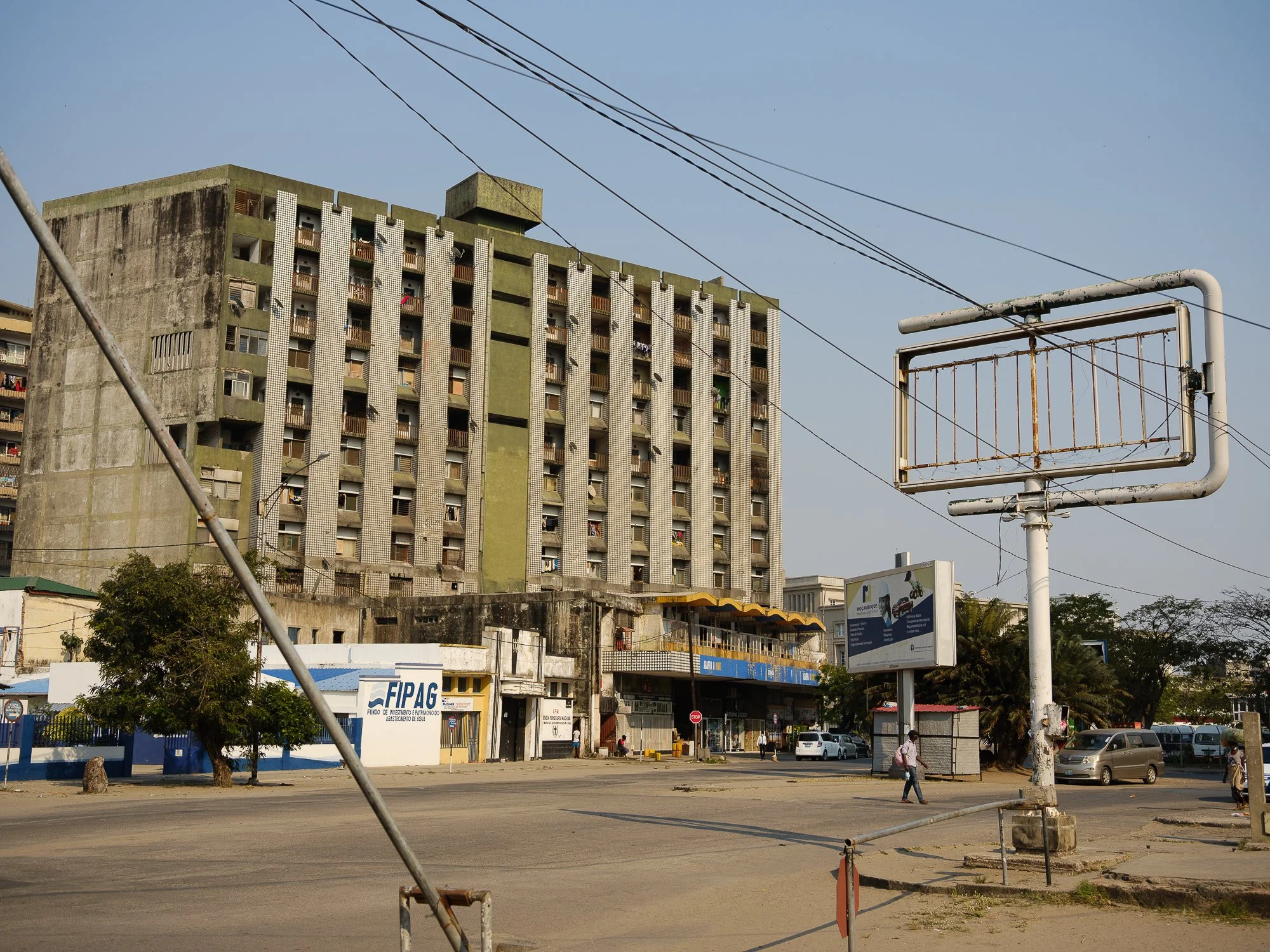
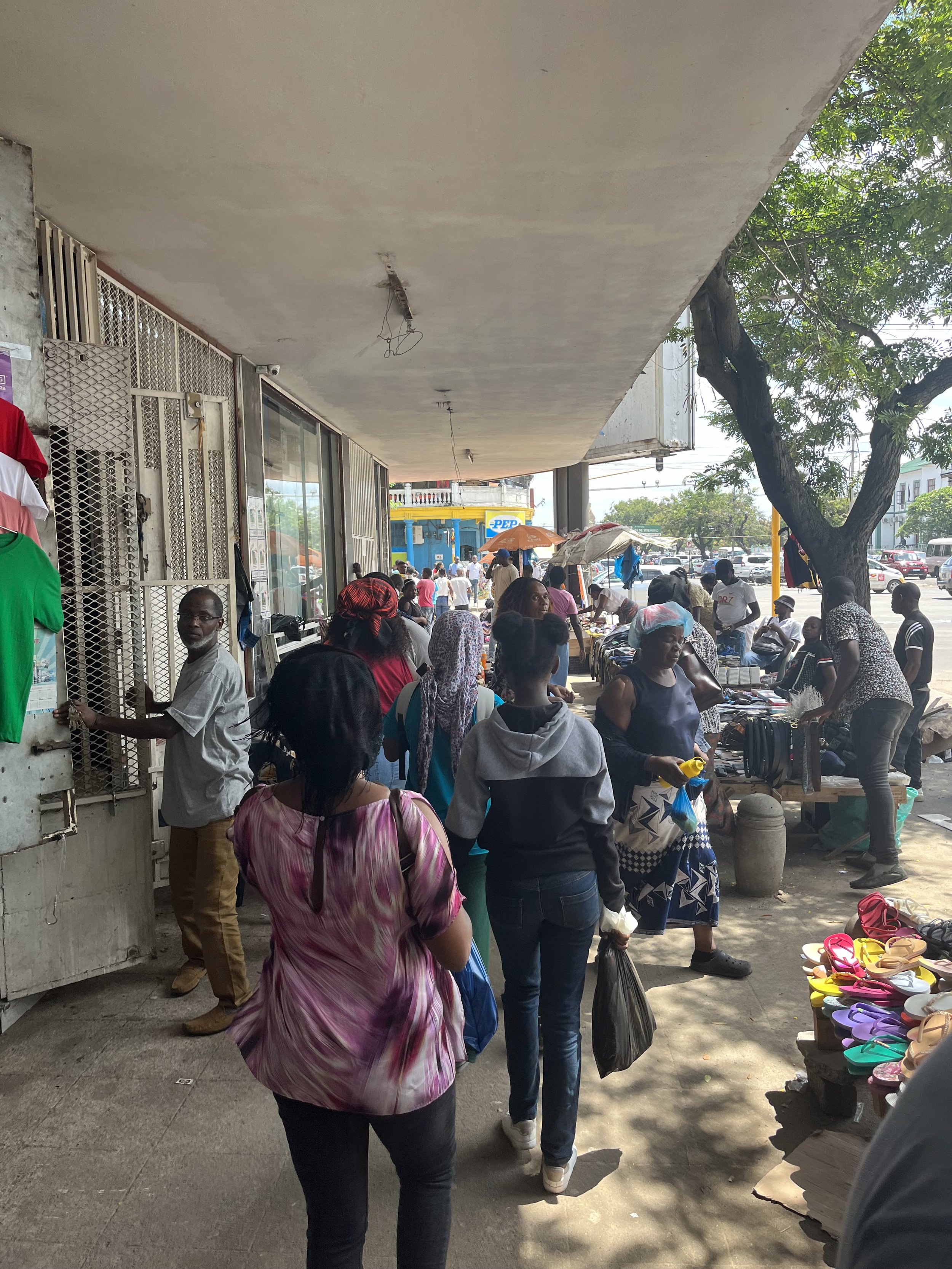
ベイラの街 / City of Beira

飛行機でマプトからベイラまで行き、そこからは紹介してもらったドライバーさんに頼んで車で移動。
モザンビーク第3の都市と言われ、近隣国につながる鉄道、道路、港がある、貿易の要衝。
ベイラの町からゴロンゴーサまでは車で3時間ほど。
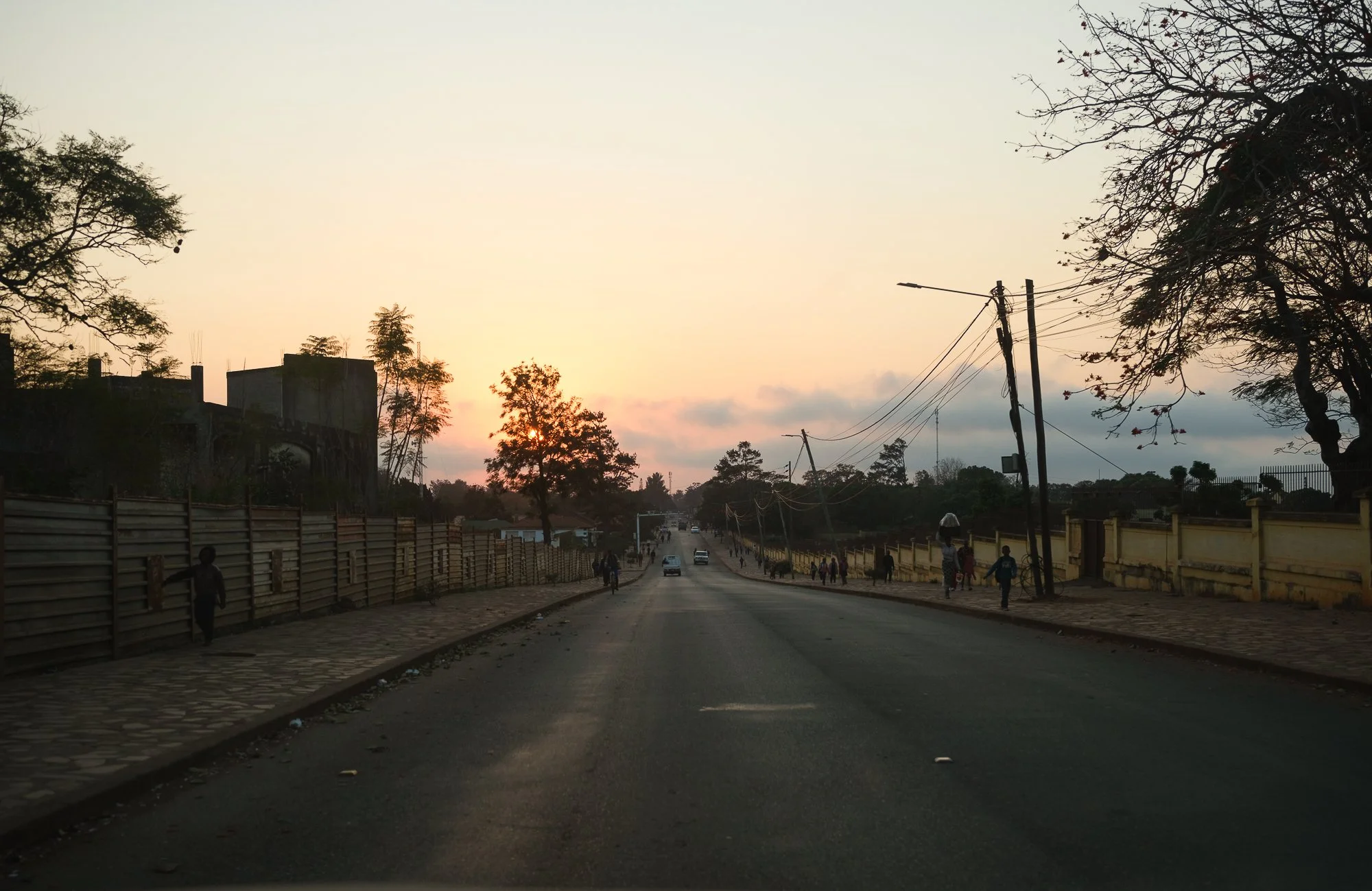
町をでる最初の国道沿い、コンテナや大量の木材などが積み上がったヤードがたくさんあった。中国語も目立っていた印象。
そんな都市部を離れ、徐々に田舎に入っていった。

ゴロンゴーサに近づくにつれ、道路状況が著しく悪くなった。
ドライバーによると、内戦の影響だという。
野党RENAMOの拠点であることから、壊されたインフラを与党Frelimoは直そうとはしない。
穴だらけでボコボコの道を、ゆーっくりとグラグラ揺れながら移動した。
我々が乗っていた車はいかついピックアップトラックだったが、普通のセダンでは走れなさそうなぐらい、ひどい道だった。
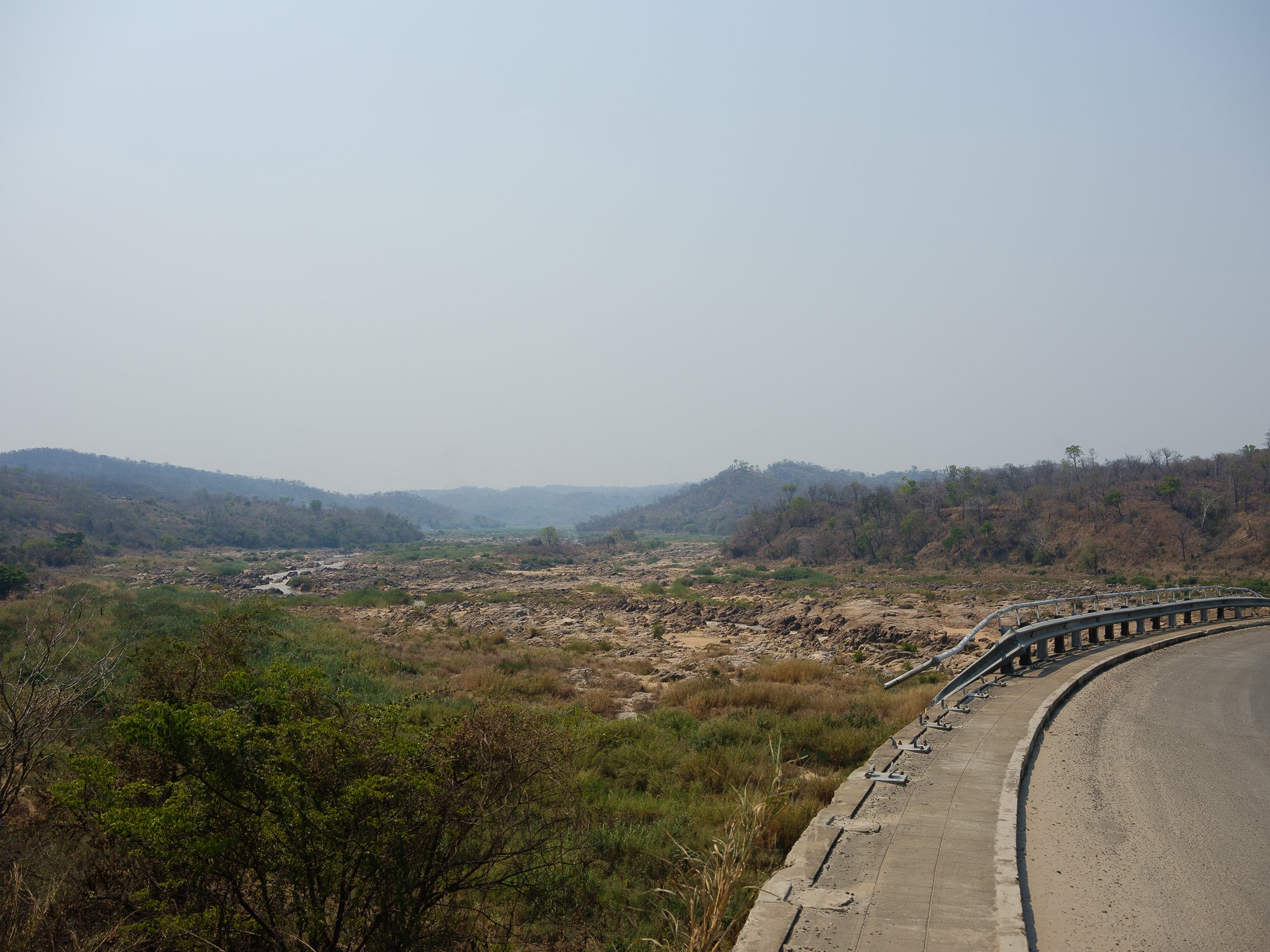
ゴロンゴーサへの道中 / On the road to Gorongosa

そんな場所も越え、無事ゴロンゴーサ国立公園に到着。
宿泊場所は常設テントを予約していた。
テント以外にも、ちゃんと壁のあるお部屋もあるのだが、当時はコロナの影響でビジネスが縮小していたためか、テント泊のオプションしか提供されていなかった。
レストランも閉まっていた。
なので食料をべイラのスーパーでいろいろ調達して、冷蔵が必要なものは事務所に依頼して冷蔵庫に入れてもらった。
調理場はテントの横にあるバーベキュー台。
ということでほぼキャンプな2泊。
ワクワク。

ゴロンゴーサ国立公園ではガイド同行によるサファリがメインアクティビティ。
自分もこれまでタンザニア、南アフリカ、エスワティニのサファリに行ったことがあるが、ここゴロンゴーサは一味違うと聞いていた。
何が違うかと言うと、動物が人間を恐れてすぐ逃げてしまうので、サファリ中も見付けづらいと言うのだ。
なぜか。
先述した紛争の時に、RENAMO部隊は、土地で自給自足する生活を強いられ、食料を得るために野生動物を狩ったと言われている。
生態系が大打撃を受けたことも、動物たちが人間を恐れることになったことも、頷ける。

実際のサファリは、ちょっと雑な表現だが、確かにワイルドな感じがした。
うっそうとしていて、草原の背が高く、手付かずの自然という感じ。
確かに最初、動物があまり見当たらなかった。
それでも、景観だけで圧倒された。
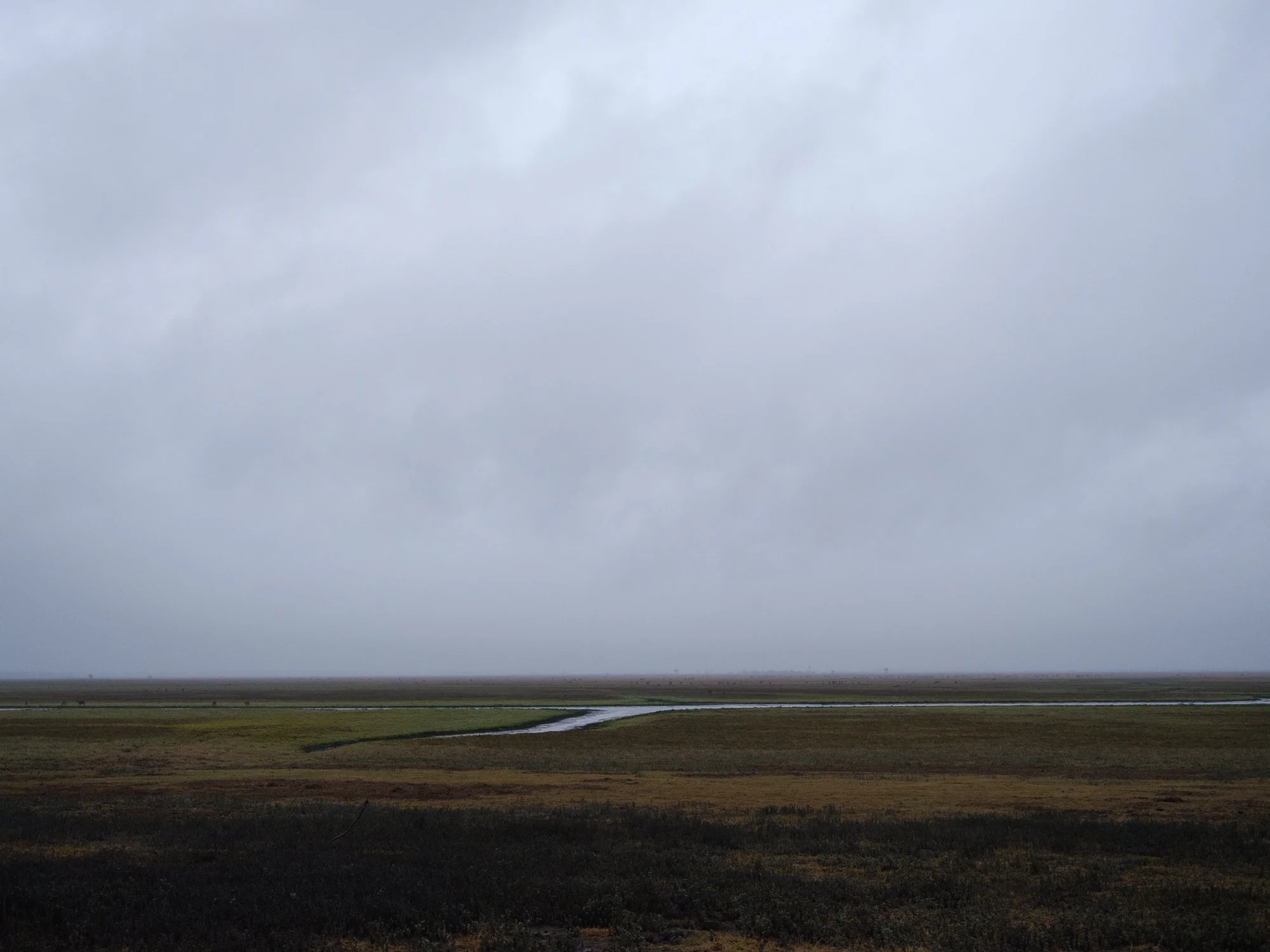
果てしなく広がる霧のかかった草原、バオバブの巨木、夕焼けが反射する川・・・。
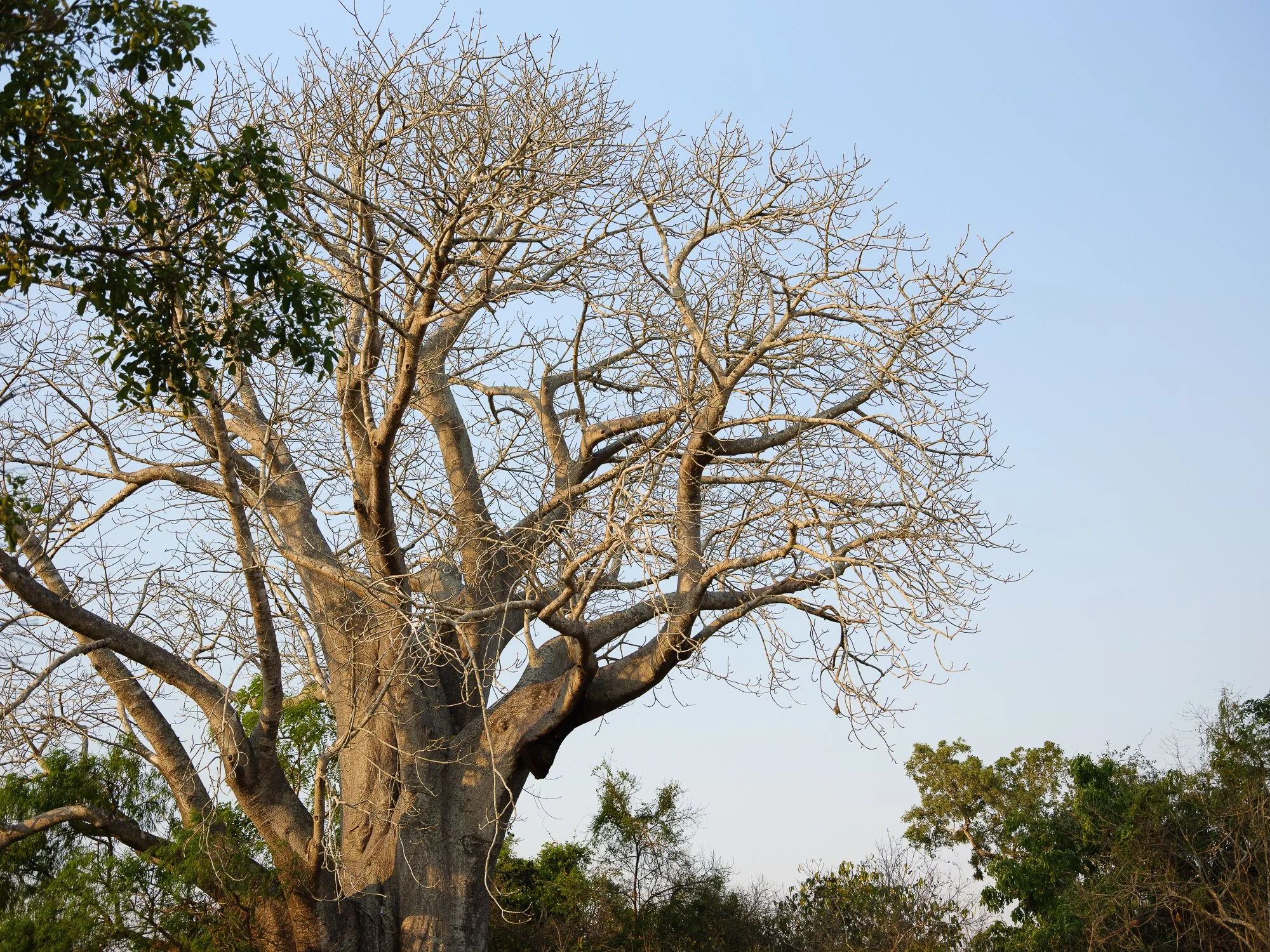
美しいバオバブの木 / A beautiful baobab tree

そして幸いにも動物たちにも出会えた。
一番多くみたウォーターバックは大型の鹿だが、その肉は臭いらしく、ライオンでも食べないそうだ。
幸いにもライオンの家族にも会えた。
オスはいなかったが、メスと子供たちがくつろいでいる場に居合わせることができた。

他のサファリとも比べて、個人的な印象としては、なにやら幻想的なサファリだった。
サファリの終盤、川沿いに車を止めて、紫色・ピンク色に染まる夕焼けの空を見ながらビールで乾杯。
モザンビークのうまいビール、Manica。
最高のサファリの締めくくり。
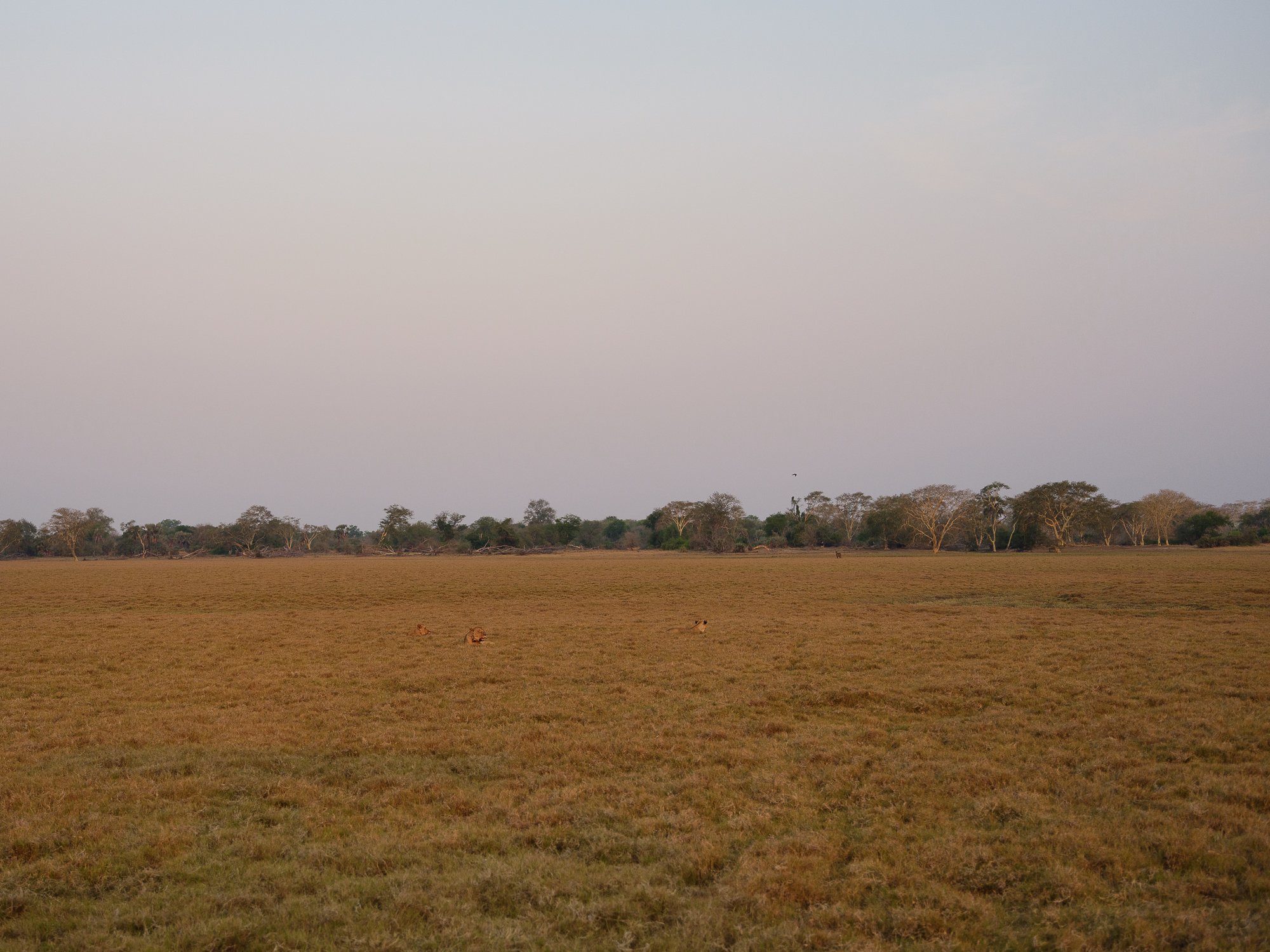
ライオンファミリーが見えますか? / Can you spot the lions?

サファリが終わり、宿泊するテントに戻って、火を起こして、BBQごはんタイム。
肉や野菜を焼いてシンプルに味付けして食べた。もちろんキッコーマン持参。
お供は今回初めて買ったモザンビークのビールImpala。
キャッサバやトウモロコを使った、珍しいビール。
味もけっこう美味い。
夜は結構冷えたが、火に当たりながら、ヘッドライトしか無い状態で、ワイルドにBBQを楽しんだ。

その夜、他に宿泊のお客さんはいなかった。
テントの近くでオスのバブーン(ヒヒ)が喧嘩していた。
近くに居た従業員が「あいつらよく喧嘩してるんだ」と言う。
バブーンは賢く、また雑食で人間の食べ物にも興味を示す。
ちょっと嫌な予感がした。

夜。
テントの中に設置された簡易的なベッドで寝ていると、夜中、何やら外から音が聞こえる。
突然、テントの入り口のチャックがズズズっと音を立てる。
ん。。?
寝ぼけながら体を持ち上げると、暗がりの中でちらっと、何やら細い腕がテントの中に突っ込まれてきた。
なんだ?!自分はまだ寝ぼけている。
その腕はせわしなくテントの中を探っている。ガサガサ、パタパタ。
よく見ると毛深い腕、細長いグレーの指。

ん…。

…。

ばぶーーん!

あ!っと言う私の大きな声を聞いてバブーンはバタバタと逃げていった。
一瞬の出来事だったけど、バブーンの毛深い腕とグレーの手がパタパタとテントの中で振り回されている光景はまだぼんやり覚えてる。
テントの中にある食料の匂いを嗅ぎつけたのか、盗みに来たようだ。
テントのチャックには錠前をかけれる仕組みだったが、付けてなかった。
早速錠前を付けて再度就寝。
少し遠くでまだバブーンたちの声が聞こえた。

2日目はサファリではなく、ゴロンゴーサ山とコーヒー農園ツアーに行った。
山の中を少し散策し、山の中にある滝を見て、ガイドがご飯を外で作ってくれて食べて、目玉であったコーヒー農園見学へ。
ゴロンゴーサのコーヒー事業はコミュニティ活性化の一環としてやっていて、地元の農家に無償でコーヒーの苗木を提供し、それを育てた結果できたコーヒー豆の収入を国立公園と地域コミュニティに還元するというもの。
またコーヒーの苗と一緒に在来樹木を一緒に植えるようにして、熱帯雨林の再生にも一役買っている。
コーヒーは(品種にもよるが)日陰でよく育つため、他の樹木を近くに植えて一緒に成長していくことが望ましいのだ。
収入を得るために農家の人も一生懸命コーヒーを育てる。
よくできたスキーム。
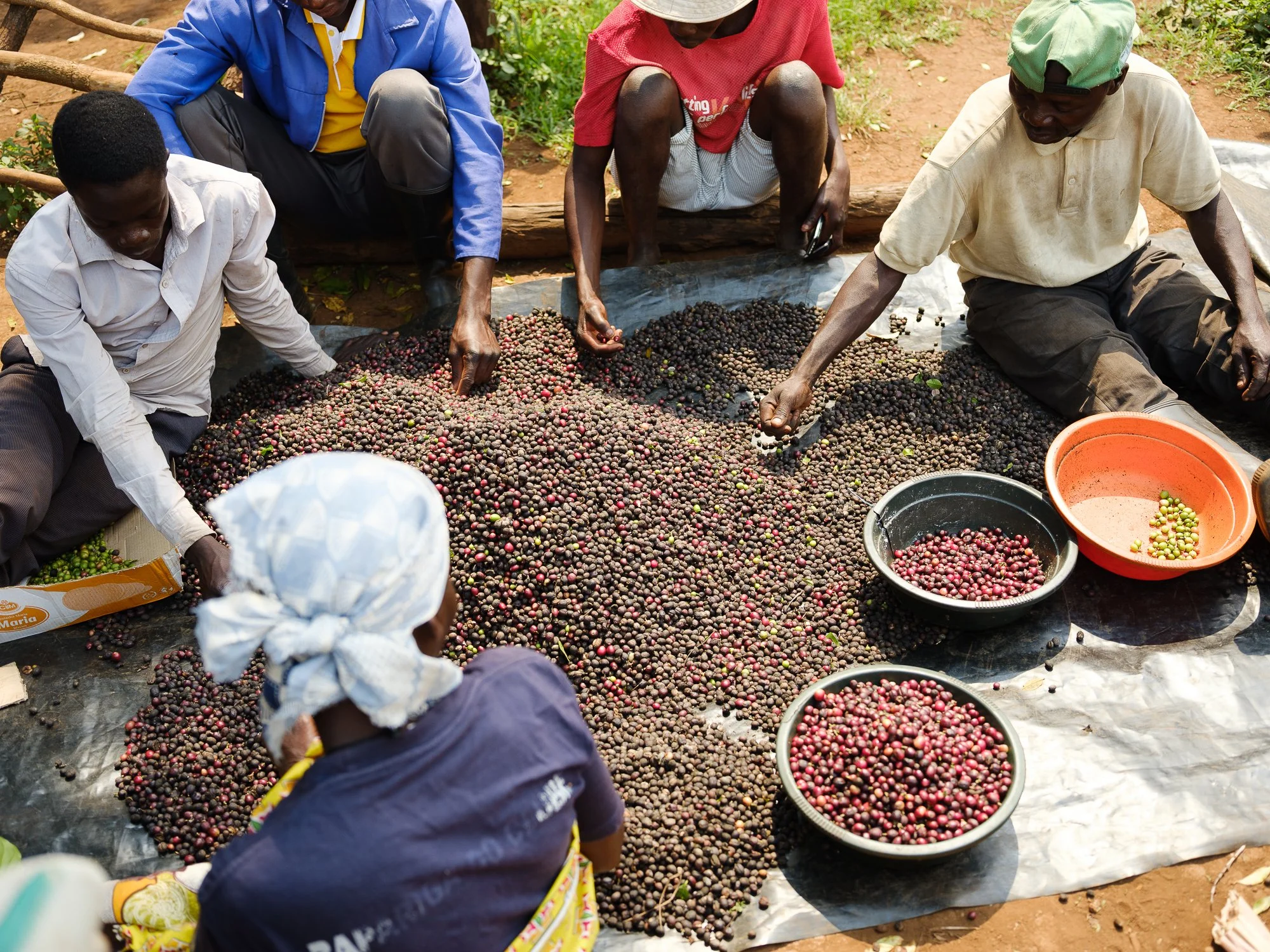
ゴロンゴーサ山のコーヒー農家さんたち / Coffee farmers at Gorongosa Mountain

この時私は人生で初めて、完熟したコーヒーチェリーを生で食べて、こんなに甘いのか!と感動したのを覚えている。
ゴロンゴーサ山の中、川が流れ、鳥たちの声が響き渡る森林の木陰、そのゆったりとした空気の中で育てられるコーヒーの苗を見て、なんだかとてもワクワクしたのを覚えている。
とても好きな雰囲気だった。
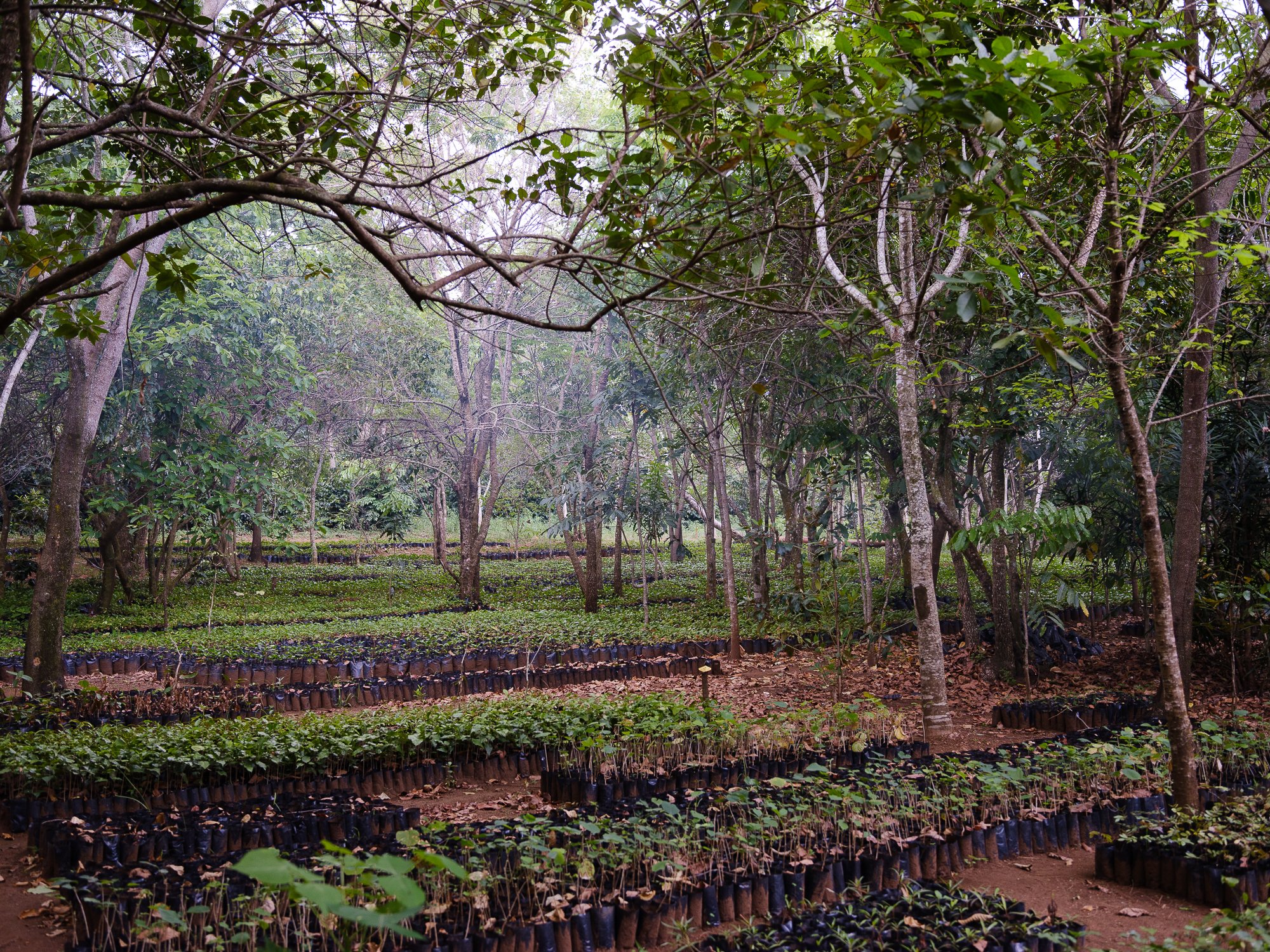
コーヒー農園の苗床 / Nursery inside the coffee farm

そんなこんなで、ベイラとゴロンゴーサの旅は思い出深いものとなった。

改めて、今回編集した写真は、この投稿に貼っている写真に加え、他にもあるので、気になる方はぜひ、下の写真アルバムをご覧ください。

The other day, whilst organising my image files, I came across photos from my trip to Beira and Gorongosa in Mozambique back in October 2021.
I'd completely forgotten about editing them and they'd just been sitting there.

Recalling those times, I set about editing them.
Looking back at my old blog posts, I hadn't written anything about this trip.
It was such an interesting trip.
Therefore, I decided to write about it, unleashing my memories from four years ago.

My first encounter with Gorongosa was through the coffee and honey sold in Mozambican supermarkets.
These products are produced by Gorongosa National Park.
As part of the national park's efforts to revitalise local communities and conserve the natural environment, they manufacture such goods and sell them domestically in Mozambique.
Both the coffee and honey were nice and I bought them several times while living in Mozambique.

While preparing this post, I did a bit of online research.
The national park is managed and operated by an American entrepreneur.
Since signing a contract with the Mozambican government in 2008, he, along with the government, have been working to restore the local ecosystem.
Restoration?
Mozambique was embroiled in civil war from 1977 to 1992.
It was a fight between the ruling front FRELIMO, who held power then (and still do), and the opposition force RENAMO.

Gorongosa and city of Beira nearby were RENAMO strongholds, leading to extensive infrastructure destruction during the conflict.
Not only infrastructures, but ecosystems were also destroyed.
The Gorongosa project aims to regenerate the area, including Mount Gorongosa, with its remarkable ecosystems, in collaboration with local communities.

My wife and I visited the national park in October 2021.
Having heard about the rumours of Gorongosa's magnificence from our friends in Mozambique, it was a destination high on our bucket list.
We flew from Maputo to Beira, then hired a driver for the journey to Gorongosa.

Beira is Mozambique's third-largest city, a key trading hub with railways, roads, and a seaport connecting to neighbouring countries.
The drive from Beira to Gorongosa was about 3 hours.
Along the first national road out of town, there were numerous yards piled high with containers and vast quantities of timber.

Leaving the urban area behind, we gradually entered the countryside.
As we approached Gorongosa, the road conditions deteriorated significantly.
According to the driver, this was due to the civil war.
As it is a stronghold of the opposition party RENAMO, the ruling party FRELIMO shows no inclination to repair the damaged infrastructure.
We moved very slowly, jolting and swaying along the potholed, bumpy road.
We were riding a sturdy pickup truck, but a normal sedan would likely be unable to go through undamaged.

After going through such hurdles, we arrived safely at Gorongosa National Park.
We had booked a fixed tent accommodation for our stay overnight.
While rooms with proper walls were also available, due to reduced business during the covid pandemic, only the tent option was available.
The restaurant was closed too.
So we stocked up on groceries at Beira's supermarket, and asked the park office to store some items in their fridge.

The cooking area was a barbecue stand next to the tents.
Thus, it was essentially two nights of camping, yay!
At Gorongosa National Park, guided safaris are the main activity.
I'd previously been on safaris in Tanzania, South Africa, and Eswatini, but I'd heard Gorongosa was different.
What’s the difference?
Animals here are said to fear humans and flee immediately, making them hard to spot during safaris.
Why?
It's said that during the aforementioned conflict, RENAMO forces were forced to live off the land, hunting wild animals for food.
It's easy to imagine how this devastated the ecosystem and caused the animals to fear humans.

The actual safari felt, to put it bluntly, rather wild.
Dense, tall grasslands, a feeling of untouched wilderness.
Admittedly, we didn't spot many animals initially.
Even so, the landscape alone was overwhelmingly beautiful.
Endless mist-shrouded plains, big baobab trees, rivers reflecting the sunset...

And fortunately, we did encounter wildlife.
The most common sighting was waterbucks – large antelope which meat is apparently so stinky that even lions won't eat it.
Fortunately, we also encountered a lion family.
Though no males were present, we spotted a mom and her and cubs resting in the grassland.
Compared to other safaris, personally I felt something magical about the whole experience.

Towards the end of the safari, we stopped the vehicle by the riverbank and toasted with beer while watching the sunset sky turn purple and pink.
With my favourite beer, Manica, it was a perfect finale to a superb safari.

After the safari ended, we returned to our accommodation tent, lit the fire, and had our dinner BBQ.
We grilled meat and vegetables, seasoned them very simply.
Of course we didn’t forget Kikkoman soy sauce.
Our accompaniment was Mozambique's Impala beer, bought for the first time.
Its rather a rare beer made from cassava and maize.
The taste was actually nice.
The night grew quite chilly, but we enjoyed the BBQ outside using our headlamps.

That night, there were no other guests staying.
Near the tent, male baboons were fighting and shouting at each other.
A nearby staff member remarked, “yeah these guys are always like that.”
Baboons are smart and omnivorous, and they show interest to what humans eat.
I had a slightly uneasy feeling.

After the BBQ, we cleaned up and went to bed inside the tent.
During our sleep in the midnight, we heard some sound outside of our tent.
Then suddenly, the tent's zipper went “zzzippppp!”
Hmm...?
Still half-asleep, I lifted my body. In the darkness, I glimpsed something – a thin arm thrusting into the tent.
What the…?! I was still half-asleep.
That arm was frantically searching inside the tent. Rustling, flapping.
Looking closer, a hairy arm, long, slender grey fingers.
Hmm...
...

Its a baboon!

Hearing my loud voice, the baboon ran away.
It was a very short instant, but I still vaguely remember the sight of the baboon's hairy arms and grey hands flapping about inside the tent.
They knew that we had some food inside and came to steal them.
Although there was a lock for the tent zip, which we didn’t put when we went to sleep.
We immediately locked the tent and went back to sleep.
At a distance we could still hear baboons' cries.

Day 2 wasn't a safari; we went on a tour to Mount Gorongosa and the coffee plantation there.
We took a short walk through the mountains, saw a waterfall, had lunch cooked outdoors by our guide, and then visited the coffee plantation, which was the main attraction.

Gorongosa's coffee project is part of a broader effort to revitalise the local community. They provide coffee seedlings free of charge to local farmers.
The sales from the resulting coffee beans are used for the restoration of the ecosystems and also returned to the local community.
Along with coffee, they provide native tree seedlings to be planted alongside the coffee seedlings, contributing to the regeneration of the rainforest.
Coffee, depending on the variety, likes to grow in shade, so it's desirable to plant other trees nearby to grow alongside it.
Farmers would work hard to produce good quality coffee so that they could earn good income.
It is a well-designed scheme.

I still remember the very moment I ate a fully ripe coffee cherry for the first time in my life during this tour, and was really amazed how sweet it was!
Amidst the forests of Mount Gorongosa, where rivers flow and birdsong echoes, I recall feeling incredibly excited seeing the coffee seedlings nurtured in the shade.
It was such a beautiful atmosphere.

All in all, this journey to Beira and Gorongosa was full of wonder and memories.
If you're interested, please do take a look at the full photo album pasted above.
ベース / Base by Tomoaki Hashimoto

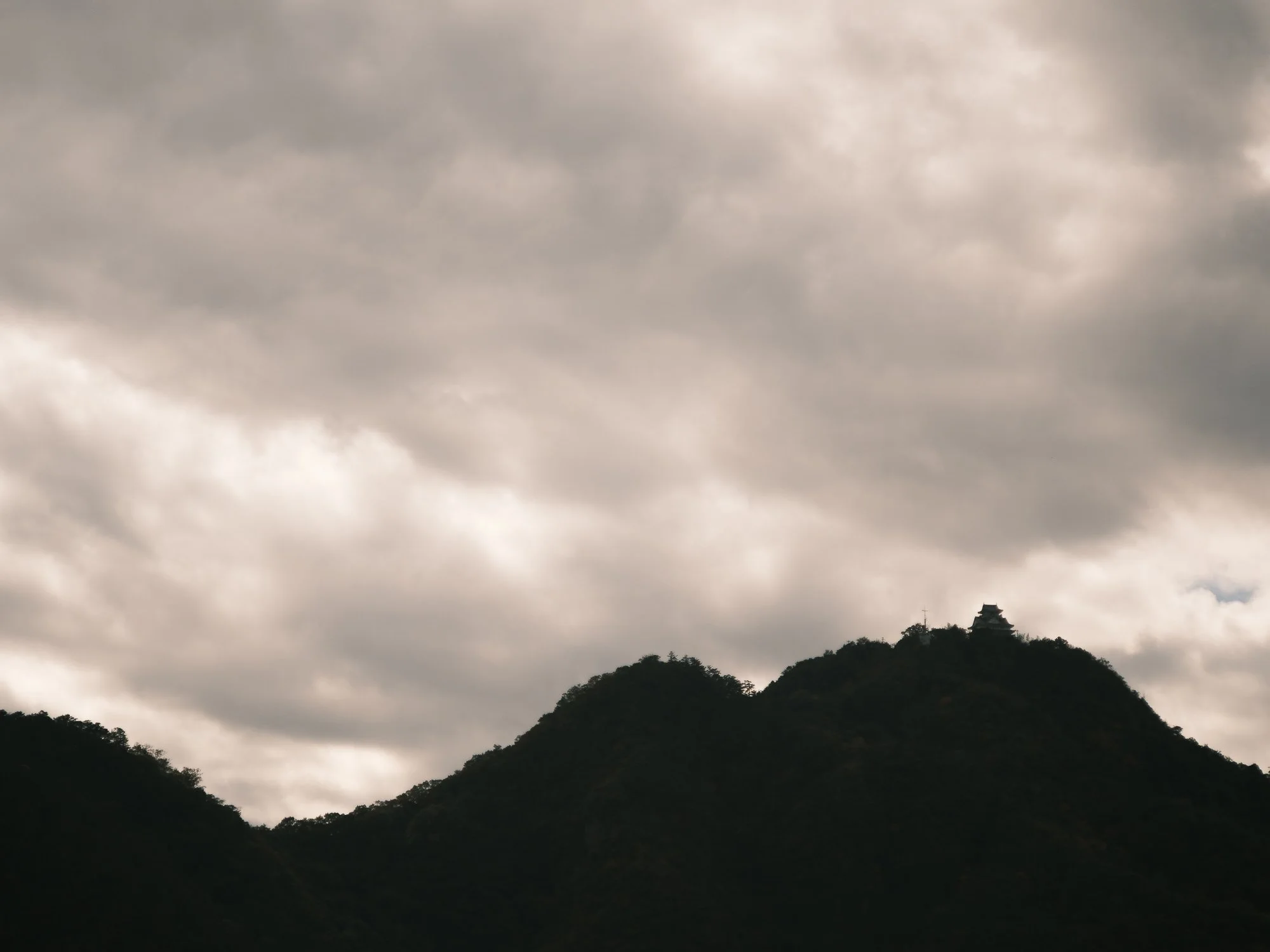
金華山と岐阜城 / Mount Kinka and Gifu Castle

(Scroll down to read in English)
先日、久しぶりに妻の実家のある岐阜に行った。
娘も連れて、1週間の滞在。
今回の岐阜出張の主目的は妻が高校生に向けて講演を行うというもの。

私もそのうちの一つ、岐阜高校の講演を見させてもらった。
学生に向けて話す妻の姿が新鮮だったのと、今の高校生たち、そして何人か同席していた保護者の方々が、どんな思いで講演を聞いているのか、どんなことに興味があるのか、気になりながら一番後ろの席から会場のリアクションを観察した。

私や妻に笑顔で挨拶してくる真面目そうな高校生たち。
みんな親の期待や、自分の思いや、学校の言うことをききながら、将来どうするか考えているのだろう。
純粋にとても気になった。
学生と話してみたい、と思う自分がいることは、歳をとったことなのかなと思った(先日40歳になりました)。

講演後、先生が言っていた。
「こんな(講演の)機会、自分たちの時代は無かったですよね。」
確かに。
岐阜高校では妻の他にも、こういった講演の機会を企画している様子だった。

自分が高校生だった時、インターネットはあったけど(AOLメッセンジャー使いまくっててMixiとかFBとかが流行り始めた時代、懐かし)、今の学生の方がもっともっと情報量が多いだろう。
それがいいのか悪いのか、わからないけど。

妻の公演中のメッセージを参照:興味があることがあったらとにかくまずはやってみること。
うんうん、ほんとにそうだ。

さて、今回の岐阜出張のもう一つの大切な目的は、友人家族を訪ねて飛騨高山に行くことだった。
私が小笠原に住んでいた時(2019-2021年)に繋がったご家族。
小笠原の小港海岸の近くで一緒に畑をやっていた時間が懐かしい。
そのご家族は昨年、飛騨高山に引っ越し、古民家を購入し、未来の自宅兼お宿の改築に取り組んでいる。

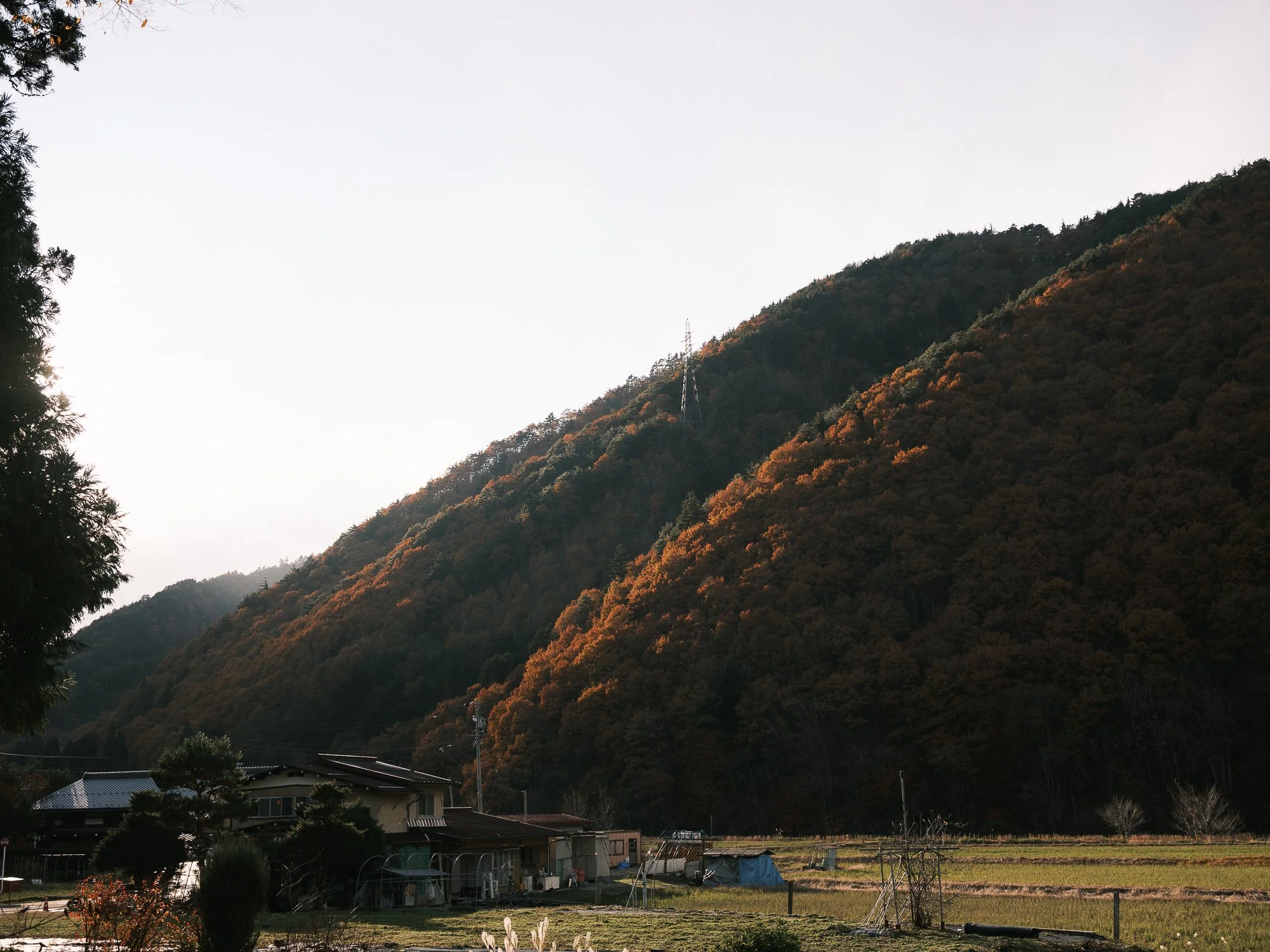
飛騨高山の風景 / Scenery in Hida Takayama

純粋に会えるのも楽しみだったし、私にとっては、いずれ日本の田舎に定住することも考えている中で、どんな経緯で飛騨高山に住むことになったのか、どんな生活をしているのか、とても気になっていた。

そのご家族の経緯を少しシェアすると、
日本のどこかの田舎でお宿をやりたいという目的を持って日本のさまざまな場所を検討していたところ、飛騨高山にいる友人に会いに行ったのが最初のきっかけだったそう。
そこから予期せぬ出会い、ご縁があり、飛騨高山に決めたと。
今改築している古民家やそれを改築してくれる素晴らしい大工さんとの出会い、その地域に住んでいる人たちとの繋がり。
偶然、そしてご縁。

日本の田舎バイブス / Japanese countryside vibes

この話を聞いていて、私がモザンビークの田舎町に移住して農業を始めた時のことを思い出した。
モザンビークに行った当初、私はそこの田舎町に住んで農業をやることは全く考えていなかった。
その地域のことさえ知らなかった。
たまたま友人に勧められて旅行でナマーシャという田舎町に行った際に、素敵な農家さんに出会い、そこから深い関係を築き、その結果、農地や素敵な家にも巡り会えた。
私にとっては、まさに運命的な出会い。
そんなご縁からナマーシャへの移住を決意した。

友人の古民家に話を戻すと、
本当に色々なご縁とタイミングとがマッチして購入を決意したその古民家は、もしかしたら最初の構造は江戸時代に建てられたのではないかという、ロマンとワクワクが詰まった建物。
そこに新しい視点と価値を吹き込もうとしている若い大工さんたちもかっこよかった。
コミュニティとのチームワークが無ければ成し遂げられない大きな仕事。
そんなコミュニティをつくり、大きなプロジェクトに立ち向かっている友人家族に熱いエールを。
お宿ができたら泊まりに行くのが、本当に楽しみ。

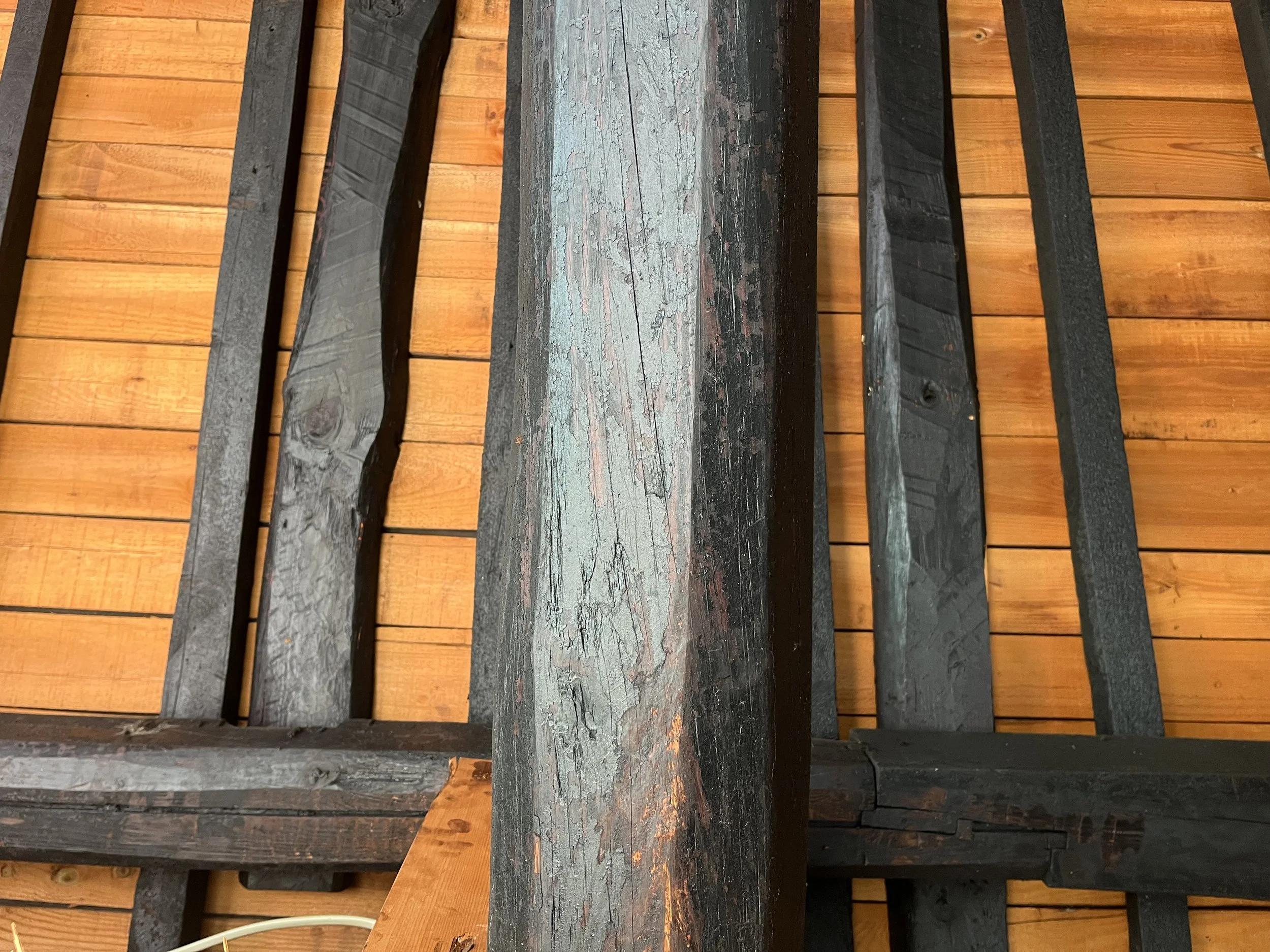
江戸時代まで遡るかもしれない梁 / Wooden beam which could date back to the Edo period

日本の田舎、と言うと、素敵な場所は沢山あるだろう。
私も全部は行ったことがないが、先日行ってきた北海道も素敵だったし、九州や四国も魅力が沢山ある。
それぞれ異なる環境、特色、文化がある。
そして今回友人の話を聞いて、また自分のモザンビークでの体験を振り返って、最終的に移住することを考える上で重要なのはコミュニティだと思った。
どんな人とその地域で一緒に暮らし、情報やモノをシェアし、時に助け合い、安心して互いに豊かな生活を送れるか。

飛騨高山に”ベース”を構えた友人に触れて、自分のベースは最終的にどこになるんだろうと思った。
過去10年ぐらいは、私も妻も日本に実家はありながらも固定のベースを持たずに動き回ってきた。
ナマーシャをベースにしようと思っていた時期もあった。
今は子育てをしながら東京に居るけど、来年中にはまた海外に行けたらと言うのが我々夫婦のプラン。
まだ決まってないけど。

美しい紅葉も見れた / Beautiful autumn leaves

しばらくはベースを持たないで動き回り続けようと考えている。
45歳ないしは50歳になったら、日本に帰ってきて、どこかにベースを構えるかもしれない。
私の希望は日本の田舎のどこか。
それまでは、極力荷物は増やさない。
農業もやらない。
ピアノもほしいし、でっかいスピーカーもほしいし、薪ストーブもほしいし、DIYだってやりたい。猫も飼いたい。
そういう意味ではちょっと我慢している。
そして自分の選択肢に誇りを持って、今を楽しんでいる。
今は今で動けるうちに海外で暮らすのも楽しみだ。
まだ、決まってないけど。

一体将来、どこにベースを構えることになるだろうか。
どんな出会いやご縁があるだろうか。
楽しみだ。

Last month, I visited Gifu, where my wife's family home is, for the first time in a while.
We took our daughter along and stayed there for a week.
The main purpose of this trip to Gifu was for my wife to give talks at local high school students.

I was able to attend one of these talks, at Gifu High School.
It was fresh seeing my wife speak to the students.
I found myself observing the reactions from the back row, wondering what thoughts the students, and some of their parents also present, were having as they listened to the talk, and what might interest them.

Very polite high school students welcomed and greeted my wife and me with smiles.
They were all likely pondering their futures, considering expectations from their parents, their own aspirations, and what the school advises.
I found myself genuinely curious about their view of the world.
This is maybe because I’m getting old (I turned 40 recently).

After the lecture, we were chatting with the teacher, and he said “we didn't have opportunities like this in our day, did we?”
Indeed.
When I was a high school student, the internet already existed (I used AOL Messenger constantly; it was the era when Mixi and Facebook were just starting to become popular – nostalgic), but today's students surely have access to so much much more information.
Whether that's good or bad, I don't know.

Let me share a quote from my wife's presentation: “If something interests you, just try it first.”
100% agree!

Another important purpose of this Gifu trip was to visit our friends in Hida Takayama.
A family that we connected with while I was living in the Ogasawara Islands back in 2019-2021.
I fondly remember the time we spent together tending vegetable farm near Kominato Beach.
Last year, that family moved to Hida Takayama, purchased an traditional Japanese style house, and now renovating it to create their future home and a guesthouse.

I was genuinely looking forward to seeing them, and as someone considering settling in the Japanese countryside myself one day, I was very curious about how they came to live in Hida Takayama and what their life there is like.

To share a bit of their story,
they had been exploring different location options in Japan with the goal of running a guesthouse in the countryside.
Their first visit was in Hida Takayama, where their friend was living.
From there, they had unexpected encounters and created connections which led them to decide to live in Hida Takayama.
They found the gorgeous traditional house, they fortunately found very skilful, traditional carpenter to renovate the house, and also made many other connections with the people living in that area.
Coincidence and connection.

Hearing this story reminded me of when I moved to the countryside in Mozambique.
When I first went to Mozambique, I had no idea of living in its countryside and starting a company there.
I didn't even know that such countryside existed.
By chance, our friend recommended us to visit the rural town of Namaacha.
We went there casually on a random weekend and we met wonderful farmers there, later built a deep relationship, and as a result, found farmland and a lovely house to live in.
For me, it was truly a fateful encounter.
That connection led to my decision to move to Namaacha.

Returning to my friend's story,
the traditional house they purchased was truly a building full of wonder and excitement, one which original structure might even date back to the Edo period (1603-1863).
The young carpenters trying to revitalise the house with new perspectives and values with their top notch skill were very cool.
It's such a big work that cannot be achieved without good teamwork.
My heartfelt cheers go out to my friend's family, building such great community and tackling this grand project.
I'm truly looking forward to staying there once the guesthouse is complete.

When I think about “Japanese countryside”, there are many wonderful places.
I haven't been to all of them myself, but Hokkaido, which I visited recently, was lovely, and Kyushu and Shikoku also hold many charms.
Each has its own distinct environment, characteristics, and culture.
And hearing my friend's story this time, and reflecting on my own experiences in Mozambique, ultimately, whether you can build a community is crucial when considering relocation to a new place.
Who will you live alongside, share information and resources, support each other when its really needed, and create comfortable and fulfilling livelihood?

Seeing my friend establishing a “base” in Hida Takayama made me wonder where my own base might ultimately be in the future.
For the past decade or so, both my wife and I have moved around without a fixed base, other than our parents’ homes in Japan.
There was a time I was thinking to make Namaacha my base.
Right now, we're in Tokyo raising our child, but our plan is to head overseas again sometime next year.
Nothing's decided yet at the moment.

For the time being, we intend to keep moving around without a fixed base.
When we turn 45 or perhaps 50, we might return to Japan and establish a base somewhere.
My current wish is somewhere in the Japanese countryside.

Until then, we don’t want to increase our possessions as much as possible.
I won’t be farming.
I want a piano, I want big speakers, I want a wood-burning stove, I want to do DIY.
I want to live with a cat (or cats).
In that sense, I'm holding back some of things I want.
And I take pride in my choices, enjoying my present life.
Until we settle in our base somewhere, I'm looking forward to living abroad.

Where on earth will we end up setting up base in the future?
What experiences and people will we encounter?
I'm looking forward to all of it.

近況 2025年10月末 / My life update, end of Oct 2025 by Tomoaki Hashimoto

(Scroll down to read in English)
明依はもう4ヶ月。
相変わらず夜は寝てくれて、
3ヶ月を過ぎて出かけられるようになったから、天気がいい日はお散歩にもいくようになった。
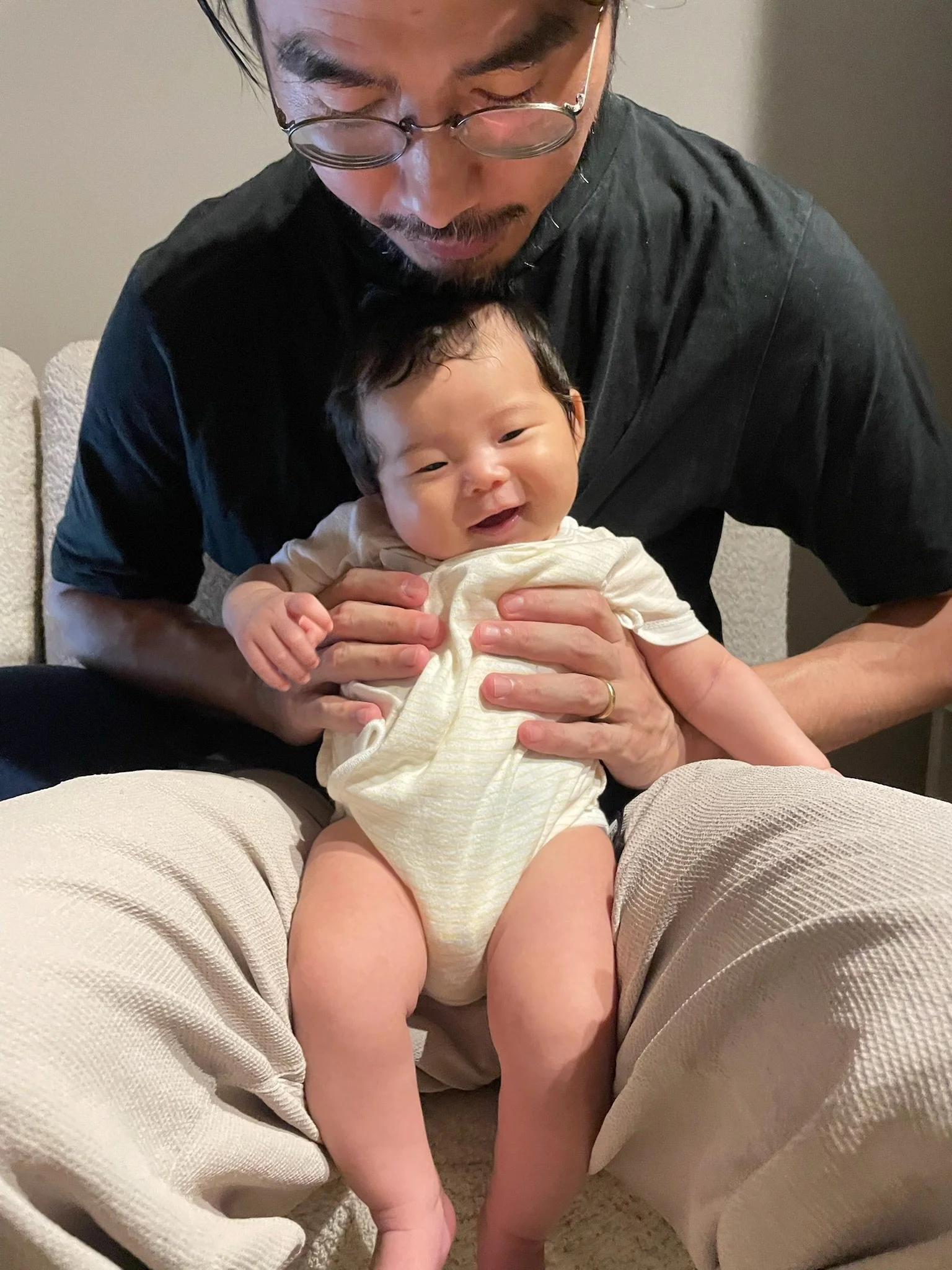
最初は笑顔をつくるまでしかいかなかったが、最近は声を出して笑うようにもなった。
明依が笑うと周りにいる人も自然と笑顔になる。

散歩していると、お店の人や道ゆく人にナンパされることも多々。
明依は人の顔を見ると笑うことがよくある。
なんて気前がいいのだろう。
大人になった自分は、知らない人の顔を凝視するだけでも緊張するのに。
明依は、その存在とその笑顔だけで周りを癒すことができる。
すごいパワーだ。
それで喜んでくれる人をみて我々も嬉しくなる。
明依を通じて人と繋がりやすくなった。
明依からたくさんの学びを得ている。

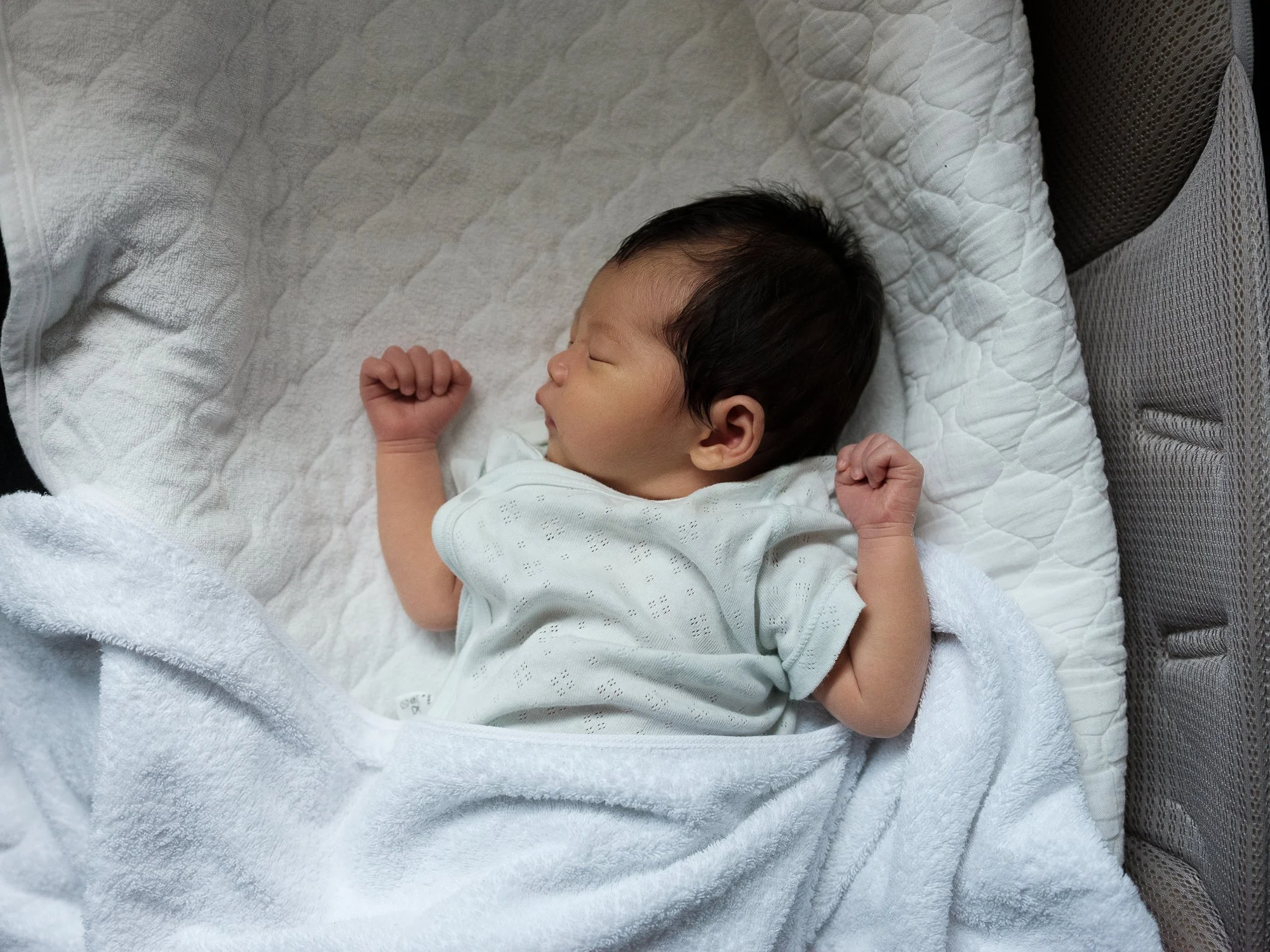
最近、よく笑うようになった / May smiles and laughs a lot recently

今月の頭に、家族3人で北海道に行った。
北海道には義理の兄が住んでいる。
明依にとっては初めての長距離旅行、我々夫婦にとっては久しぶりの息抜きとしての旅行。
初めての飛行機に乗った明依だったが、往復ともに寝てくれて、他にも特段問題なく1週間を過ごせた。
どこに行っても特別困った状況になることがほぼ無い、日本という快適な国。
今回行ったのは札幌、芦別、富良野、平取。
自然に触れて、美味しいものを食べて、アイヌの文化にも触れて、温泉に浸かった。
明依も平取で初めての温泉沐浴した。
友人や兄の家族にも会え、ちょうど夏から秋に向かう心地よい時期の北海道を堪能できた。

紅葉も始まりかけていた10月の北海道 / Early autumn Hokkaido

明依も居たので、我々夫婦が2人で旅行に行くと必ずしていた登山は今回しなかったが、
逆に3人でゆっくり過ごす時間をつくれて、豊かな時間だった。
いずれは明依を背負って登山に行くのが目標。

個人的には、久しぶりの北海道。
初めて行くエリアばかりで、広大でディープな自然に、何やらのびのびと創作的に活動している、自分と近しい年齢の人も多い印象を受けた。
一体現地の人は日々どんな生活をしているんだろう。
いずれ日本の田舎に住みたいと思っている自分にとっては、何か素敵な雰囲気を感じられずはいられなかった。
とても抽象的にだけど。

今回はレンタカーで北海道を回った。モザンビークで運転して以来。
都心での運転はしたくないけど、田舎の運転はストレスが少なくて楽しい。
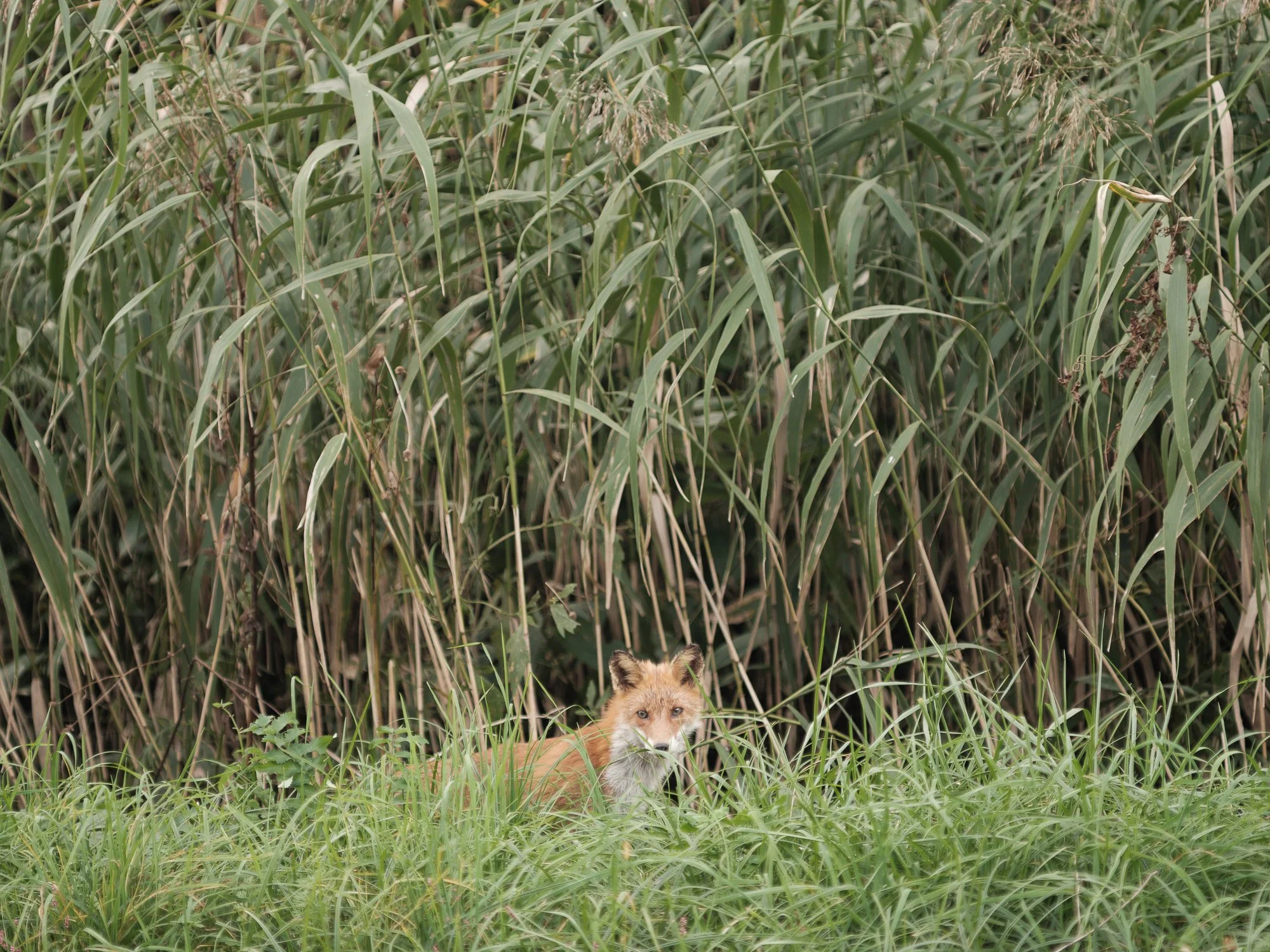
昼間、車で走っていたらあっさりキツネに出会い、夜になるとシカやタヌキ、アライグマに遭遇。
夜は本気で注意しないと動物と衝突する恐れがある。
自然の濃密さと近さにハッとする。
最近話題となっている熊とは今回出会わなかった。

運転中に出会ったキタキツネさん / A fox (Ezo red fox) we encountered during our drive

子育てをしていても、仕事をしていても、いろいろな場所に冒険できる人生にしたいなあと改めて思った。
明依にとっては記憶にも残っていないかもしれないけど、北海道の大自然から何かを感じる機会はあったと思うし、今後も自然にたくさん触れて腸内環境も豊かにしていこうと親の私は勝手に思っている。
そんな明依は、つい先日お宮参りとお食い初めをやった。
モリモリなんでも食べて元気に育って欲しい。

お宮参り、ギャン泣き / May crying during her “Omiyamairi” ceremony

最後に、
ついに、
以前告知していた電子書籍の発売の準備ができました!
私がだいぶブログをサボっていて、、、この告知も遅くなりました。
改めて、私のこれまえの人生をざっと振り返って体験したこと、気づきなどを書いた、「冒険の選択」
電子版¥780
そしてなんとペーパーバックも可能で、こちらは¥1,100。
ちょっと高いかな、と今自分でも感じていますが笑
そして、今でもこれを告知するのは恥ずかしくて仕方ないんですが、
もうできあがっちゃったんで、
興味ある方はぜひ読んでやってください!!
こちらにリンク貼っておきます。ああ恥ずかしい。
【販売ページ】
⁦https://www.amazon.co.jp/dp/B0FS1M624K⁩

では。

May turned four months old.
She still sleeps through the night most of the time,
and after passing three months, we've been able to take her outside.
On fine days, we've been going for walks with May.

Recently May learned to laugh out loud.
When she laughs, it makes people around her naturally smile too.
Shopkeepers and passers-by approach May to say hello.
May would smile back often times when she sees people's faces.
What a generous spirit she has.
As an adult, I get nervous just trying to have eye contact with someone.
May has the power to heal those around her simply by being present and smiling.
It's quite incredible.
Seeing people happy because of her makes us parents happy too.
We've found it easier to connect with others around us through May.
We're learning so much from her.

At the start of this month, the three of us took a trip to Hokkaido, the northern island of Japan.
My brother-in-law lives there.
For May, it was her first long-distance trip; for us as parents, it was a much-needed break from a busy Tokyo life.
Though it was May's first time on an airplane, she slept through the whole round-trip and luckily we had no other particular problems during the trip.
Japan is such a comfortable country – you rarely find yourself in particularly difficult situations, wherever you go.
In Hokkaido, we visited Sapporo, Ashibetsu, Furano, and Biratori.
We connected with nature, ate delicious food, learned about the local Ainu culture, and soaked in hot springs.
May also had her first hot spring bath in Biratori.
We met our friends and brother's family, and thoroughly enjoyed Hokkaido in a beautiful time of the year transitioning from summer to autumn.

Because May is still small, we didn't go mountain trekking this time, something we always did when travelling as a couple.
Instead, we created time to relax together as a family of three.
Our goal is to eventually go hike with May on my back.

Personally, it was my first time back in Hokkaido in ages.
Visiting entirely new areas, I was struck by the vast, deep nature and the impression that many people around my age were living freely and creatively.
I wonder what daily life is really like for the locals.
For someone like me who dreams of eventually living in the Japanese countryside, I couldn't help but sense something wonderfully appealing.

This time, I toured Hokkaido by rental car.
It was my first time driving since I left Mozambique.
I'd rather not drive in Tokyo, but I like driving in the countryside because its so peaceful.
During the day, we bumped into a few foxes while driving; come nightfall, we encountered deer and raccoons.
At night, you really need to be careful driving on the road or you risk colliding with animals jumping out from the bush.
The nature was so up close.
In Japan, many bear encounters in the countryside has been in the news recently, but we didn't encounter any this time.

Whether raising children or working, I found myself thinking again how I want a life where I can adventure to all sorts of places.
For May, it might not even be in her memory, but we hope she had a chance to feel something from Hokkaido's wonderful nature.
As her parent, I'm hoping she'll continue to experience and learn lots of things from interacting with nature.
That May just had her Japanese traditional ceremonies “Omiyamairi” and “Okuizome”praying for her health and growth.
We hope she eats heartily and grows up strong and healthy.

Finally,
at long last,
the preparations for the previously announced e-book release are complete!
It's a retelling of my life so far, covering experiences and insights.
HOWEVER, I’m very sorry to say the book is only available in Japanese…

So if you or any of your Japanese speaking friend is interested, please share.
I'll post the link here.
⁦https://www.amazon.co.jp/dp/B0FS1M624K⁩

お仕事について / About my work by Tomoaki Hashimoto

(Scroll down to read in English)
5月に帰国してから、
妻の出産に向けた準備から始まり、出産、引っ越しと慌ただしい日本生活もあっという間に4ヶ月が過ぎようとしている。

そして今、日本で仕事をしている。
昨年末にモザンビークの会社を閉じて以来、久しぶりの仕事。
これは自分にとってとてもありがたいことなので、自分を祝福する意味でも、そのことについて今日は書きたい。

もうすぐ出版される書籍にも書かれているが、
2008年から2017年にかけて務めた三菱商事を退職してから、
イギリス留学に行き、
小笠原に住み、
モザンビークに住み、
少しだけアゼルバイジャンに住んできた。

三菱商事を辞めてから、というか辞めるにあたって将来に向けて自分の人生につくり出したかったのは、
「何か、自分だからこそできることをやり、そしてその知見を通じて自由に仕事・人生を創作できるようになる」というもの。

そこで最初に浮かんだのは、分野としては環境保全であり、自然環境に関わる仕事。
新しく学びたいという意欲があったので、イギリスに留学。
単純に海外に行きたいという思いももちろんあった。
学問として学んだことも大事だが、それと同じぐらい、か、もしかしたらそれ以上に、イギリスでの生活やケニアでのフィールドワークを通じて、人と交流したり新しい景色を見る中で沢山の発見をし、自分の考え方の破壊と再創作が起きて、視野が広がったどころか大袈裟に言えば見える次元が変わるぐらいの体験をした。

素晴らしい環境・人と出会ったイギリス留学 / Wonderful environment + people I met during my UK masters

最初は環境保全と政策について勉強する、というところから始まり、段々と興味関心も研ぎ澄まされ、価値観の変化が起き、動植物への純粋な関心やその生態に関する知識よりも、実際に社会において自然と人がどう関わり、どんな問題があるのかに興味が湧いた。

その一つの側面が農業であり、自然と食をつなぐものとして興味が湧いた。
自分自身が食べるということが単純に好きだし、そこで生まれる自然環境と人との繋がりにも興味があるし、またそれを作るために人間が自然とどう向き合うのかということを問い続けている農業はとても興味深い。

正直、農業に関してそこまで深い興味が湧くとは、イギリスに行くまでは思ってもいなかった。
実際に一歩踏み出してみて、今まで触れたことのない世界に触れたことで新しく発見したことだ。

イギリスの大学院を卒業してからは、日本に帰国して、偶然にも小笠原海洋センターの仕事をネットサーフィンしていたら見つけた。
言葉では全てを書き表せないぐらい、濃厚だった小笠原生活。
環境保全の仕事をできただけでなく、自然と共存すること、組織を運営すること、人と助け合って生きること、本当に多くを学ばせてもらった。
大家さんの畑の一部を使わせてもらい、初めてプチ本格的な農業もできた。
海の幸、山の幸、自分たちで愛を込めて作った野菜やフルーツを、地域の人たちで分け合っていただく生活は、都会で育った私に人生の豊かさに関する全く違う視点をくれた。

2年間生活した小笠原諸島・父島 / Chichijima of the Ogasawara Islands where I live for 2 years

モザンビークでは本格的にビジネスとして農業を実践するチャンスを得た。
日本での生活とは何もかもが異なるアフリカの小さな田舎町で生活した2年間は本当にたくさんの学びと観点をくれた。
ここでも何度か価値観がぶっ壊され、再生され、人間としてたくさん成長した。
日本の様なルールが存在しない世界で、あんなこともやってみよう、こんなこともできるかもと、自由に挑戦できたカオスな環境はストレスもあったが、今思えばとても充実していた。

モザンビークでは本格的に農業に取り組んだ / Challenged farming business in Mozambique

アゼルバイジャンでは、現地で仕事はしなかったが、家族と暮らす幸せをフルで味わうと同時に、日本やアフリカとはまたまた全く違う文化、景色、言葉、人々や体験に触れて、愛するペットとの別れも体験し、短い期間だったが、多くの学びがあった。

モザンビークの田舎町から、アゼルバイジャンの首都へお引っ越し / Moved from a small rural town in Mozambique to the capital of Azerbaijan

そして今、
日本に帰国してから、友人を通じて新しい出会いと繋がりをいただき、光栄にもお仕事をいただけることになった。

力を貸して欲しい、そんなニュアンスで、私が三菱商事で仕事をし、その後イギリス、小笠原、モザンビーク、アゼルバイジャンで活動する中で蓄積してきたものに関心を持ってくれる人たちがいた。

「何か、自分だからこそできることをやり、そしてその知見を通じて自由に仕事を創作できるようになる」

これがまさに実現できそう。
そしてこれもまた新たな始まり。

三菱商事をやめて8年が経つところだが、自分が個人として仕事を通じて貢献できるようになったのは素直に嬉しく、ちょっと感動。

では今後どんな仕事をしていくのか?
いろいろと面白い仕事ができそうでワクワクしている。
追々こちらでも具体的にシェアする時が来ると思うし、何なら読んでいるみなさんに協力を仰ぐものもあるかもしれない。
そんな時には、どうぞよろしくお願いいたします。


明依 2ヶ月 / May, 2 months old


8/27をもって娘は生誕2ヶ月!
元気いっぱい。
今日もおっぱいをごきゅごきゅ飲み、よく寝、よく泣き、うんちをぶっぱなしている。
沢山の人に多くの愛をいただき、ぷくぷく拡大中。
感謝、感謝。

Since returning to Japan in May,
Already 4 months have flown by in the blink of an eye— starting from preparing for my wife's delivery, birth of our daughter, and moving into a new home.

And now, I've started working in Japan.
It's my first job since closing my company in Mozambique late last year.
This is something I'm truly grateful for, so today I want to write about it as a way of praising myself.

After leaving Mitsubishi Corporation, where I worked from 2008 to 2017,
I went to study in the UK,
lived in the Ogasawara Islands,
lived in Mozambique,
and lived briefly in Azerbaijan.

After leaving the company, or rather, as I prepared to leave, what I envisioned to build for my future life was:
“to do something only I could do, and through such experience, gain freedom to create my own work life”

The first field that came to my mind was environmental conservation, more broadly work related to the natural environment.
So I decided to study that in the UK with a strong desire to learn something new.
I also simply wanted to go abroad for a new challenge.
While what I learned academically was important, equally important—or perhaps even more so—were the discoveries I made through living in the UK and doing fieldwork in Kenya.
Interacting with people and seeing new sceneries led to the destruction and recreation of my own way of thinking.
It wasn't just that my perspective broadened; to exaggerate a bit, it was an experience where the very dimension of my view of life had changed.

It began with studying environmental conservation and policy, but my interests gradually narrowed down, my values shifted, and I became more fascinated by how nature and people actually interact in society and the problems that arise, in addition to my pure interest for the knowledge of plant and animal ecology.

One aspect of this was agriculture, which interested me as the link between nature and the food we consume.
I simply love eating, and I'm intrigued by the questions about how humans interact and engage with nature to produce food.
Honestly, I had previously never imagined I'd develop such a deep interest in agriculture before going to the UK.
This discovery was made possible by taking that one step (going to the UK) and entering a world I'd never been before.

After obtaining the masters degree in the UK, I returned to Japan.
By chance, while casually net-surfing, I bumped into the job recruitment notice at the Ogasawara Marine Center.

Life in the Ogasawara Islands was so rich, it's impossible to put everything into words.
Not only did I get to work in the field of environmental conservation, but I learned so much: coexisting with nature, running an organisation, living in a small community where people help each other on a daily basis.
My landlord kindly allowed me to use part of my his farmland and there, I created y own small farm for the first time.
The bounty of the sea and mountains, along with the vegetables and fruits we preciously grew by our own hands were shared within the community.
This was something I had never experienced being raised in a big city, and this life experience gave me a completely different perspective on the richness of life.

In Mozambique, I had the chance to practice agriculture as a business.
Living for two years in a small African rural town, where almost everything was different from life in Japan, provided me truly vast learning and perspectives.
Here too, some of my old values were shattered and rebuilt, allowing me to grow immensely as a person.
The environment without strict rules like in Japan, in other words, a “chaotic” environment, where I could freely challenge myself – always thinking “let's just try this,” or “maybe I can do this and that” – was sometimes stressful but incredibly fulfilling at the same time.

In Azerbaijan, while I didn't have any work in the country, I fully immersed myself in the happiness of living together with family.
Simultaneously, I was able to encounter the local culture, scenery, language, people, and experiences that are completely different from Japan or Africa.
I also experienced parting with a beloved pet.
Though a short period, Azerbaijan gave me many lessons and findings.

And after returning to Japan, I've gained new connections through my friends, and I was fortunate enough to be offered to work.

People showed interest in what I'd experienced through my work at Mitsubishi Corporation and subsequent activities in the UK, Ogasawara, Mozambique, and Azerbaijan, witch they seemed to think could contribute to their work.

“To do something only I could do, and through such experience, gain freedom to create my own work life”

This seems I’m almost achieving this.
And that marks another start of a new chapter.

It's been eight years since I left Mitsubishi Corporation, and I'm genuinely happy and a little moved that I've become someone who can contribute through my work as an individual.

So, what kind of work will I be doing going forward?
I'm excited for all sorts of interesting possibilities that seem to be ahead of me.

I think the time will come when I can share specifics here, and there might even be things where I'll need to ask for support from you.
When that time comes, I'd really appreciate your support.

As of August 27th, my daughter turned 2 months old!
She's full of energy.
Everyday, she drinks well, sleeps well, cries well, and peepee/poopoo well.
She's getting lots of love from people around us and growing bigger every day.
I’m so, so grateful.

生誕1ヶ月、と告知 / 1 month old + announcement by Tomoaki Hashimoto

(Scroll down to read in English)
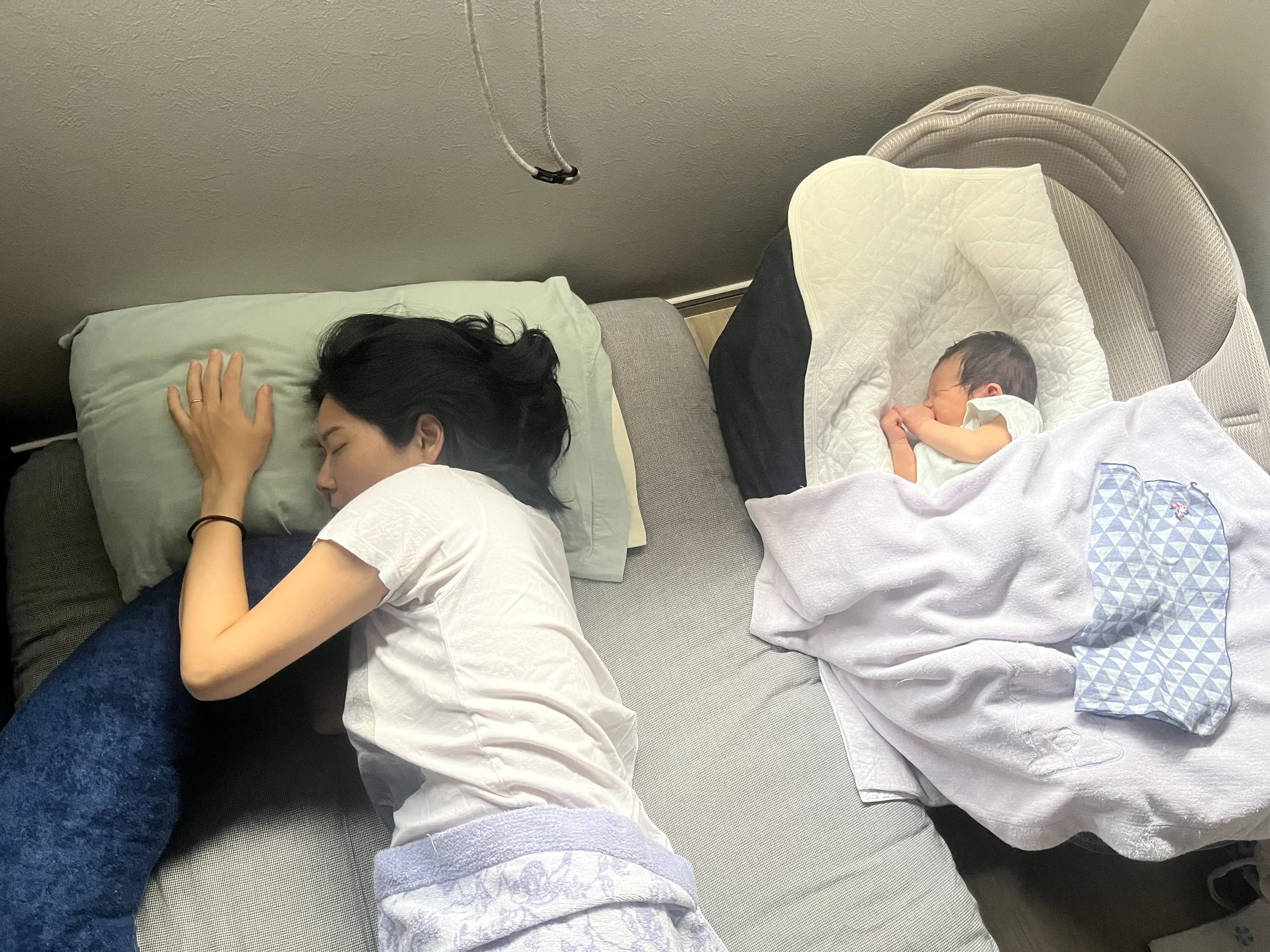
娘の明依が生まれて1ヶ月。
国分寺にも引っ越し、新しい家に住み、新しい家族まで増えて人生のリズムが大きく変わった1ヶ月。

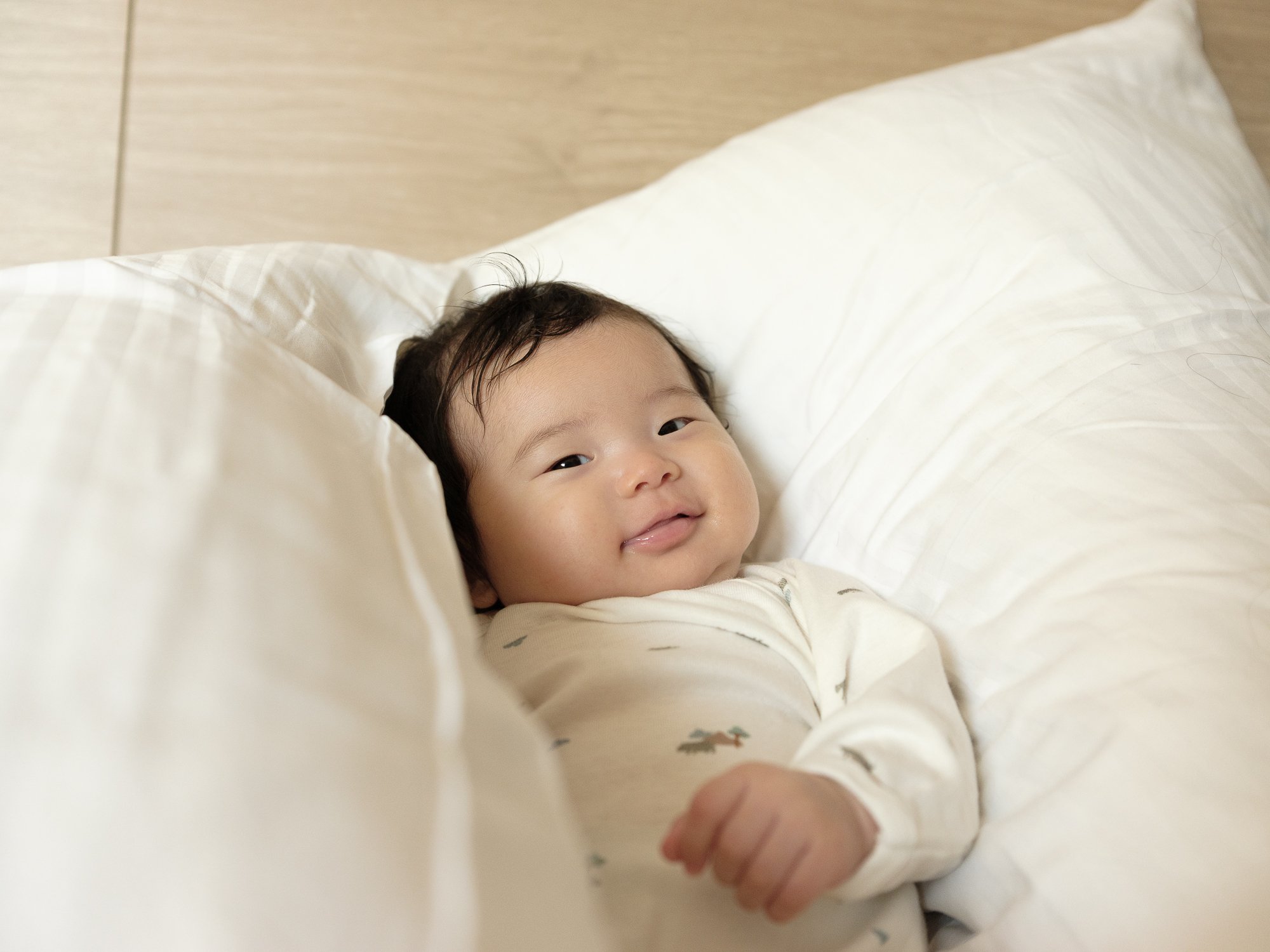
明依 / May

自分と妻の間に生まれた赤ん坊。
自分や妻の親戚の血や遺伝を継ぎ、当然ではあるが、顔や表情が似ていると感じることもある、そんな、いま目の前にいるこのぷにぷにした無防備な生き物はいったい何なんだろうと、ふと哲学的に考えてしまったりもしながらも、今日も娘はぷぎゃあとよくわからない声を発しながら同時にうんちをぶっぱなしている。
可愛い。

よく泣き、よく飲み、屁をこき、用を足し、よく寝る。
たまに笑ったような表情をすることがあるが、本人はまだ笑うということがどういうことかは掴んでないみたいだ。
少しずつ、目で私たちの顔や周りのものを追うようになってきている。

毎日毎日、ミルクをあげてオムツを変えて抱っこをしてお風呂に入れて寝かしつけて。
その合間に自分たちの人生の他のことも扱って。
何も考えずに過ごしているとただ慌ただしい日々。
そして目の前のこのぷにぷにした娘は着実に大きくなっており、同様に自分たちも日々歳をとっていて、そして娘を育てる中で、母・父として日々成長しているんだなあということをちゃんと認識しようと思った。

この親にしてこの子あり / Like mother, like daughter

生まれる前はどうなるか不安だった子育ても、やっていけば慣れていくし、やり方を掴んでいく。
子育てだけでなく、きっと何でもそうだなと、改めて思った。
そして簡単なわけではない。
産後1週間、病院で過ごしていた時、ミルクをあげたら寝てくれる、その後もざっくりとそんなパターンかな、、ぐらいに考えていたら大間違い。
ミルク飲み終わった途端泣き出すときもあるし、たらふく飲んで寝たと思ったら1時間後に起きて泣き出すこともある。
何故、と問いたくなるが、答えはわからない。
自分の思い通りにしようなんていう考え自体が、傲慢なのだよね。
世の中そんな単純じゃないのだよ、と人生の奥深さを今娘に教えてもらっている。

めちゃくちゃにグズる時は、おむつを替えてもミルクをやっても色々体勢を変えても、泣き止まない。
娘の泣き叫ぶ声と表情にこちらも気持ちが滅入ることもある。
でもそれを何か悪いことと認識しているのは自分であって、娘はただ娘らしく泣いているだけなんだと自分に言い聞かせている。
それでも自分たちで色々模索するなかで最近、我が子は抱っこしながらスクワットをすると泣き止むということを発見した。
夜中に寝ぼけながらスクワットするのは正直しんどいが、おかげさまで太ももは鍛えられ、何故か娘はおとなしくなる。
赤ちゃんの夜泣きに困っている方はぜひ試してみてほしい。
ちなみにランジでもOKだった。


1ヶ月間元気に健康に育ってくれた / 1 month passed all good and healthy


そんな明依は先日、無事病院での1ヶ月検診を終えて、異常もなく、外出OKも出た。
感謝感謝。
これから少しずつ、国分寺の自然に触れにいける。
この1ヶ月ほとんど外出していないので、国分寺及びなんだか妙に面白そうな西東京を少しずつ冒険できるのも楽しみ。

そしてもう一つ、告知!
以前の投稿でお話しした自分の電子書籍がいよいよあと数週間で出版する運びとなった。
思いっきりかっこつけたタイトルは「冒険の選択」。
カバーもお披露目。
ここまできて、やっぱり恥ずかしいなあという思いも出てくるが、とは言えもうここまできちゃったので、たくさんの人に読んでもらえたら嬉しい。
電子版とペーパーバック版と両方ご用意する方針。
みなさま、どうぞお楽しみに。。。


電子書籍の表紙! / My e-book cover


It's been a month since my daughter May was born.
One month since we moved to Kokubunji, started living in a new apartment and even added a new family member to our lives, changing our lifestyle and daily routines dramatically.

A baby born between me and my wife.
While we know scientifically that May has the blood and heredity of my wife's and my relatives, which seem evident from her face and expression.
At the same time, I would be struck with a sense of wonder sometimes, looking at this defenceless, innocent, soft and plump creature that lies in front of me, making indescribable sounds and bursting poop while crying.
It’s just precious.

She cries a lot, drinks a lot, farts, pees and poops and sleeps a lot.
Sometimes she looks like she's smiling, but it seems that she has not grasped what it means to smile/laugh yet.
Little by little, she is starting to see and follow our faces and things around her with his eyes.

Day after day, we feed her, change her nappy, hold her, bathe her and put her to sleep.
And in between, we deal with other things in our lives.
The days are quite hectic and goes very quick.
And this plump little girl in front of us is steadily getting bigger and bigger, and we as parents are getting older every day as well.
I thought we, as parents, should acknowledge the fact that we are growing each day as mothers and fathers, as we raise May.

Before May was born, we were nervous about parenting which we have never done before.
But now we are getting used to it, as we practice it and acquire new knowledges.
I was reminded that it's not just parenting, but surely everything in life is the same.
It doesn’t mean it’s always easy.
After caring May in the hospital for a week after the birth, we thought that May would sleep after feeding her milk, and that she would, more or less, follow that pattern, but we were mistaken.
Sometimes she would start crying right after her feeding session, and in other times she would wake up and start crying an hour later we put her to sleep.
We would ask “why?!” but we don't know the answer.
The very idea of thinking that “things would go as we wish” may have been too assuming.
My daughter is teaching us a lesson that the world is not that simple and that life is profound.

When she is really fussy, she wouldn't stop crying even if we change her nappy, feed her milk or try to comfort her in various ways.
Sometimes her fierce cries brings us down, but I tell myself that I am the one who perceives it as something wrong or bad, and that she is just crying as babies should and its completely OK.
Nevertheless, in the course of our own exploration, we recently discovered that May stops crying when I perform squats while holding her.
To be honest, it's quite a challenge to do squats after being woken up 3am, but thanks to this, my legs are well trained and for some reason May stops crying.
If you have trouble with your baby crying at night, please give it a try.
FYI, lunges was also OK.

The other day, May completed her post one-month check-up at the hospital without any problems and she was officially allowed to go out to explore the outside world.
We’re so thankful and grateful.
From now on, she can go out and enjoy the nature around our neighbourhood Kokubunji little by little.
I've hardly gone out myself for the past month, so I'm looking forward to exploring Kokubunji too.

And one more announcement!
My e-book, which I told you about in a previous post, is finally going to be published in a few weeks.
The title is “Life of Adventures”.
I'm also unveiling the front cover.
But sorry to my international friends, the book is only available in Japanese, at the moment…
I'm still a bit nervous and embarrassed about releasing my own book, but now that I’ve come this far, I hope many people would read it!

シェキ / Sheki by Tomoaki Hashimoto

(Scroll down to read in English)
アゼルバイジャンの国内旅行を振り返り記録するシリーズ。
今回は歴史ある街、シェキに訪れた旅の話。

シェキ / Sheki

シェキの細かい歴史については、とてもでは無いがここでは語り尽くせないし、私も全て理解していないので、気になる方は自分で調べてください。
かつてシルクロードにおける要所の一つで、美しい山間にあるアゼルバイジャンの観光名所。
街の中心やいくつかの建造物がUNESCO世界遺産に登録されている。

バクーから北西に240km。
地図を見るとシェキのすぐ北にはロシアとの国境があり、西にはジョージアとの国境も迫る。
私たちが住んでいたバクーとは気候も異なり、ひんやりとした山の空気が流れ込むことから、4月でもだいぶ肌寒かった。
ひんやりとした空気が心地よく、山に来たことを実感する。

山のふもとにあるシェキの街 / Town of Sheki is situated at the foot of mountains

昔この地を統治していたハーン(王朝)によって建てられた美しい宮殿はこの地の最も有名な観光名所のひとつで、ペルシャやオスマン朝の影響を受けた美しいデザインが目を惹く。
キャラバンセライという16世紀に建てられたシルクロード沿いに建てられた宿は、かつてシルクロードを行き来する商人たちの宿泊場であり、取引や交流の場であった場所。
当時の雰囲気を残した石造の建物を見て、中庭を歩きながら、色々と思いに耽る。
この場所でかつてどんな人たちが出会い、何を食べ、どんな酒を飲み、どんな話をしていたんだろう。
そんな想像をするだけでワクワクする。
ちなみに、観光客が宿泊できるお部屋もある。
雰囲気はいいけど部屋が寒いとの話を聞いて、我々夫婦は泊まらなかった。
キャラバンセライの敷地内、ちょっと奥まった庭園のようなところに行ったら、そこには可愛いうさぎちゃんが3匹、ぴょんぴょん走り回っていて、なんだか不思議な空間だった。


シェキ・ハーンの宮殿 / Palace of Sheki Khan


キャラバンセライ/ Caravanserai

キャラバンセライ敷地内にあった庭園。うさぎちゃんがお出迎え / A garden inside the Caravanserai compound where rabbits welcomed us

他にも古代の教会や、現地のモスクなど、2泊3日の滞在でシェキ中を練り歩いた。
もちろん宮殿や教会など、有名な観光名所は興味深かったが、私はそれよりもシェキの石畳の道に石造りの建物がならぶ古い街並みに魅了された。
街を練り歩きながら街の風景をスナップしたので、そのアルバムのリンクをブログの最後に貼るので、興味があればぜひみてください。

あとはたくさん美味しい食べ物にも遭遇。
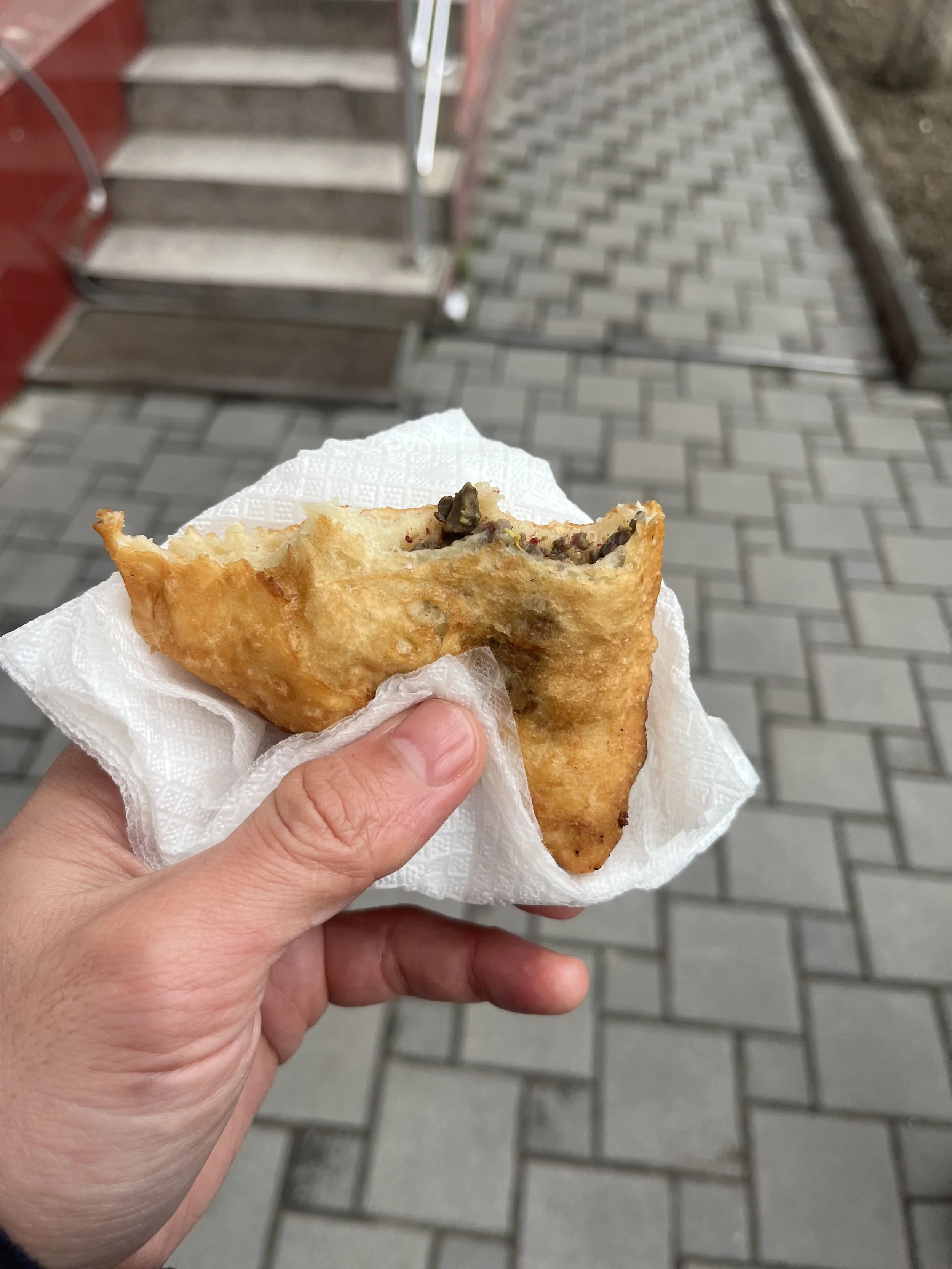
ピロシキといえばロシアを連想すると思うが、アゼルバイジャンは旧ソ連の国、ピロシキも一般的なスナックとして道端で売られている。
シェキの街を練り歩く中で小腹が空いて、おじさんたちが群がっているお店で買ったピロシキ。
じゃがいもと、レバーの二種類があり、両方買う。
ジャガイモの方はディルが効いてて爽やか、レバーは細切れになったものが入っていて、モチモチのドーナツ生地に合う。
揚げたてフレッシュで美味しかった。
やっぱり地元で愛されている食べ物は間違いない。


定番ストリートフード、ピロシキ / Piroshki, a popular street food


アゼルバイジャンにはバクラバというパイ生地にナッツなどが入っていて甘〜いシロップがたっぶり染み込んだ中東の定番デザートがあるが、シェキにはシェキ独自のデザートがあり、それらも堪能した。
有名なのはシェキバクラバで、バクーのバクラバとは一線を画す見た目・味を持っている。
個人的には、バーミヤと呼ばれるシロップデロデロのドーナツ?チュロス?みたいなものがあり、最高に好きだった。
シェキではそこらじゅうで売っていたこのバーミヤ、超シンプルなお菓子なのだが、バクーでは全然売っていない。
バクーには豪華なバクラバや、西洋風のケーキ、ジェラートは沢山あるのに。
ということでシェキに来たらバーミヤ食べにゃあかんのだ。
ピロシキにしてもバーミヤにしても、揚げたドーナツみたいなのが結構好きですね、アゼルバイジャンは。

お菓子屋さん。真ん中に山になっている茶色いのがバーミヤ / A sweet shop. Bamiye is the brown pastry in the middle

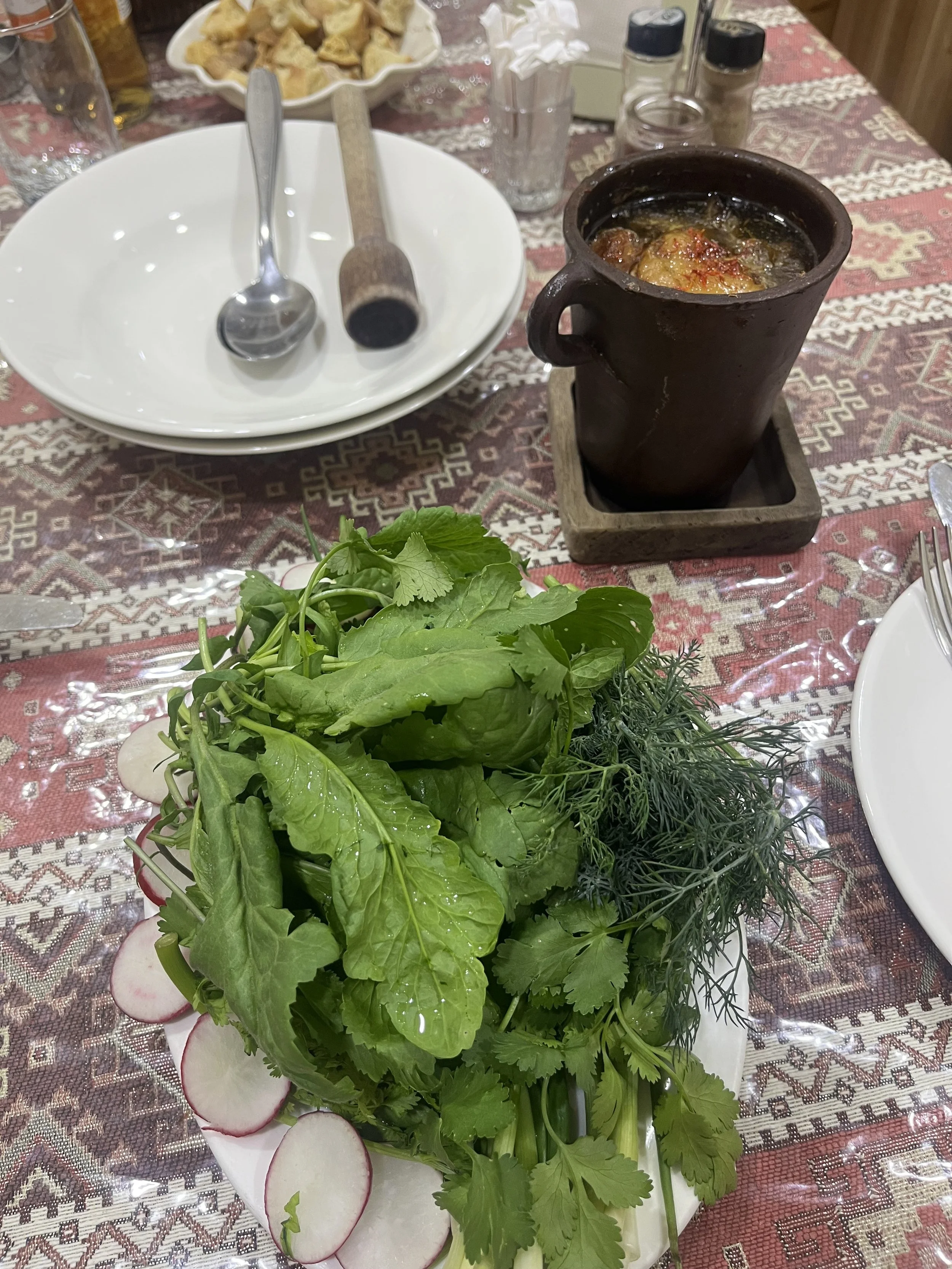
そしてシェキグルメで外せないのがピティという料理。
羊肉と脂身、サフランのスープ、豆や野菜などが入って粘土の壺の中で調理される。
壺のまま提供されて、小さい杵みたいな棒で中身を潰してから、乾いたパンの入った器に移して、パンをふやかしながら食べる。
とろけるような羊肉が絶品。
シェキと言えばこれ、という料理。
これも、シェキに来たら食べにゃあかんのだ。


地元の野菜盛りとピティ(右奥の壺)。横にある木の棒で中身を潰して食べる / Fresh local greens and piti (the pot on the right)


バクーではレストランに行くと東京都内と同じぐらいの値段がするが、シェキではピティはじめ様々な料理をお腹いっぱい食べてもびっくりするぐらい安かった。
野菜やハーブ類も現地で取れるから、きっと安いのだろう。ありがたや。
ピティはシェキだったらどのレストランでも食べれると思うが、我々夫婦はネットで探してたまたま見つけたガガーリンというレストランに行った。
現地のお客さんもたくさんいて、味も最高だった。

なんとも言えない、ノスタルジアを感じさせてくれたシェキ。
歴史と文化を感じ、美しい景色と美味しいご飯を堪能し、思い出深い旅になった。
↓シェキのスナップをまとめたアルバムはこちら。

This is one of those posts from my series reflecting on and documenting my domestic travel experiences in Azerbaijan.

In this post, I will share my journey to the historic city of Sheki.
I will not write the detailed history of Sheki here, nor do I fully understand it myself, so if you’re interested please do your own research in the internet.

Once a key trading spot along the Silk Road, Sheki is a picturesque mountainous region and one of Azerbaijan's top tourist attractions.
The town centre and several of its buildings are designated UNESCO World Heritage Sites.
It is located 240 km northwest of Baku.
Looking at a map, you can see that the Russian border lies just north of Sheki, with the Georgian border also nearby to the west.

The climate is different from Baku and the cool air from the mountains made it quite chilly even in April.
The refreshing air reminds you that you’re indeed close to the mountains.

The beautiful palace built by the local Khan (king) that once ruled this region is one of the most famous tourist attractions here, with its stunning design influenced by Persian and Ottoman styles.

The Caravanserai, a 16th-century built inn, once served as a lodging and trading place for merchants travelling along the Silk Road, is also a must-see here.
Walking through the courtyard of the stone-built structure that retains its original atmosphere, I couldn't help but lose myself in imagining what went on here in the past.
I wondered about the people who once gathered here, what they ate, what drinks they enjoyed, and the stories they shared.
Just imagining it all filled me with excitement.
In the Caravanserai, there are also rooms available for tourists to stay in.
We didn’t stay there this time, for we heard that the rooms get quite cold inside.
Inside the Caravanserai compound, there was a beautiful garden area behind a gate. There, we found three rabbits hopping around, creating a magical atmosphere.

We stayed for two nights in Sheki, wandering around the town, exploring ancient churches and local mosques.
While the famous tourist attractions like the palaces and churches were interesting, I was more captivated by the old townscape with its streets and houses made of stones.
I took snapshots walking around the town, please check the link above for the gallery if you’re interested!

We also enjoyed delicious food in Sheki.

When you hear the name piroshki, you might think of Russia, but as Azerbaijan is a former Soviet country, piroshki is also common here as a casual snack sold on the streets.
While wandering through the streets of Sheki, I got hungry and bought some piroshki from a shop where I saw some men were gathering.
There were two types: potato and liver, so I bought both.
The potato one had a refreshing dill flavour, while the liver one had small pieces of liver mixed in, both of which went well with the chewy fried dough.
They were freshly fried and delicious.
Local foods loved by the locals are always a safe bet.

Azerbaijan is famous for its baklava, a Middle Eastern style dessert, which are pastries filled with nuts and soaked with sweet syrup, and Sheki has its own unique desserts.
The most famous is Sheki Baklava, which has a look and taste distinct from baklava sold in Baku.
Personally, I loved the dessert called Bamiye, which is a syrup-drenched doughnut or churros-like treat.
Bamiye was sold everywhere in Sheki, but surprisingly, it's hardly available in Baku.
In Baku, you can easily find fancy baklava’s, Western-style cakes, and gelato, but not bamiye.
So if you visit Sheki, bamiye is a must-eat.
Whether it's piroshki or bamiye, Azerbaijan likes fried doughnut-like foods.

Another must-try dish in Sheki is Piti.
It's a dish made with lamb, lamb fat, saffron soup, beans and vegetables, all cooked in a clay pot.
It's served in the pot, and you use a small pestle-like stick to mash the inside before transferring it to a bowl with dry bread, soaking the bread in the soup as you eat.
The melt-in-your-mouth lamb is delicious.
This is the dish that represents Sheki cuisine.
In Baku, restaurants charge prices similar to those in Tokyo, but in Sheki, you can eat Piti and various other dishes for an amazingly low price.
Many vegetables/herbs are locally grown, so they must be inexpensive. What a blessing.
I’m sure Piti is available at almost any restaurant in Sheki, but we went a restaurant called Gagarin after researching a bit online.
The place was full of local customers and the food was amazing.
Sceneries and experiences in Sheki evoked an indescribable sense of nostalgia.
It was again an memorable journey in Azerbaijan, where we immersed in history and culture, witnessed beautiful sceneries, and enjoyed delicious local food.

父になる / Becoming a father by Tomoaki Hashimoto

(Scroll down to read in English)
2025年6月27日に第一子の娘が誕生した。
名前は明依(めい)。

もう何年になるだろう。
妻と妊活を始めて、凍結胚移植で昨年秋に初めての妊娠。
当時私はモザンビーク、妻はアゼルバイジャンに居た。

凍結胚移植は過去に3回挑戦し、妊娠には至らなかった。
そして4回目。正直、あまり期待せずにいた昨年秋、妊娠が発覚した時には妻と飛び上がって喜んだ。
同時に出産までの道のりも長く、不安も沢山あった。
全てが初めてのことで、これから自分たちの人生がどう変化していくのかもよくわからなかった。

昨年12月からアゼルバイジャン・バクーでの夫婦生活がスタートし、夫婦で一緒にお腹の中の赤ちゃんの成長を見守ることができた。
バクーの病院はしっかりしていたし、生活環境も問題なく、妻は多少のつわりを体験しながらも一度も体調を崩すこともなかった。
今年5月に日本に帰ってきて産休(臨月)に入るまで、妻はPCに向かい、アゼルバイジャンの仕事をした。

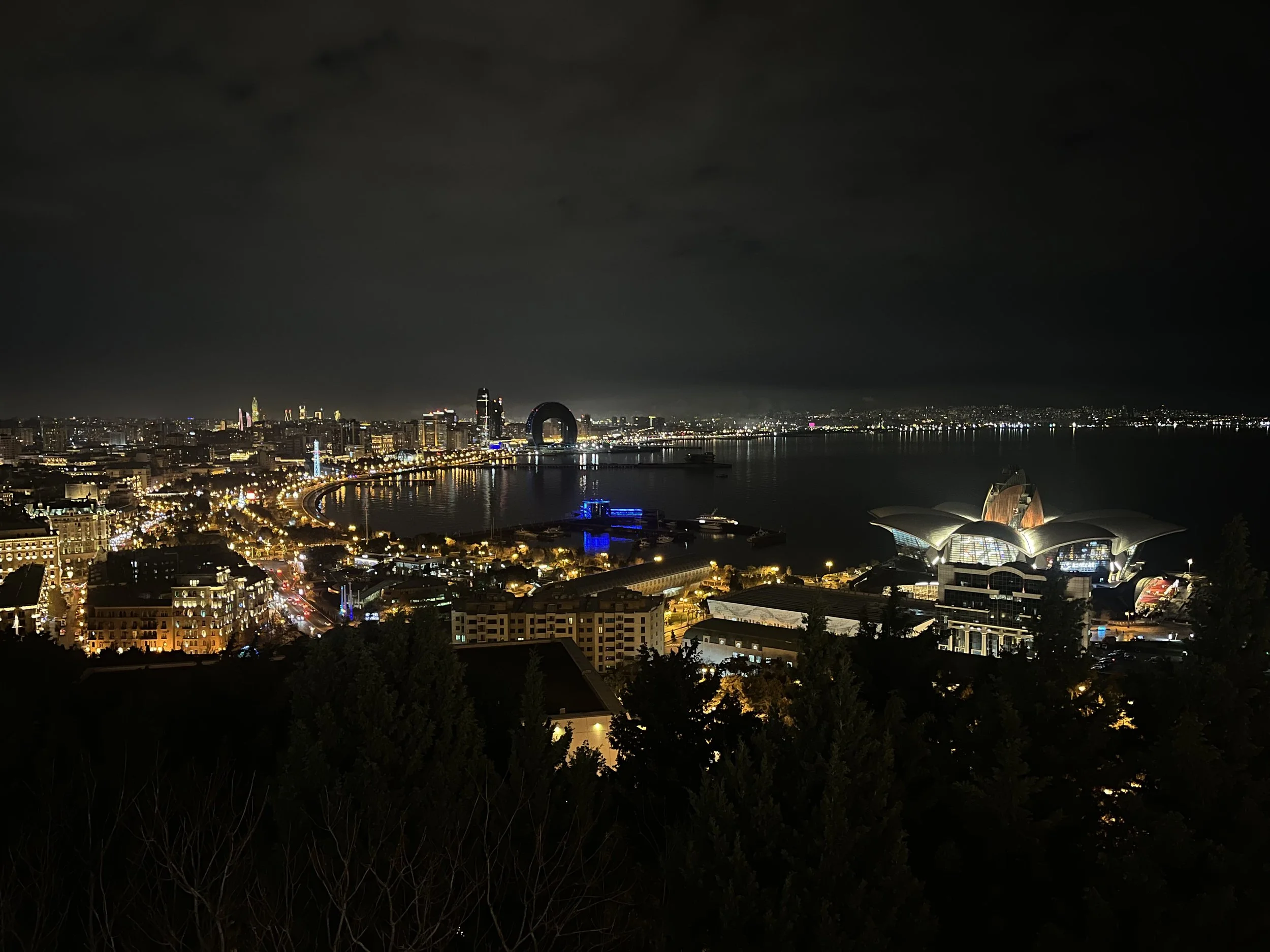
都会のバクーでは生活・医療環境共に問題なかった / We had no stress in Baku, in terms of living and medical conditions

夫婦2人で過ごせる時間もあとわずか、と、
人に言われて、確かに、と思いつつも、実際に赤ちゃんが産まれたらどんな生活になるのかは想像しようにもできない。
2人で出かけたり、ゆっくりレストランで食事をできるのも今だけかぁと、何となく考えながら過ごした。

気になる性別は、おそらく女の子であることはバクーの病院で知った。
アゼルバイジャンの病院では性別を公表することに慎重だった。
男の子が好まれる社会なのだそうだ。
そんな異国の風習にあっけにとられつつ、2人で我が子の名前を考え始めた。

妻の身体では、お腹が大きくなるだけでなく、色々の変化が起こる。
つわりはそんなにひどくなかった。
揚げ物が食べたくて突然マックポテトを買ったり、今までは買わなかったお菓子を買うようになったり。
甘党の私よりも妻が甘党になった。食べる量も増える。
妻が自分と同じぐらいの量を食べる、普通だったらありえない光景だが、赤ちゃんのための栄養も摂取していると考えれば納得。

お腹が大きくなるにつれて、歩くのが好きな妻も、少しずつ歩ける距離もスピードも落ちていった。
妻は体質上、むくみが出やすかった。
赤ちゃんをお腹の中で育てるために、妻のさまざまな身体の機能が変化する、その様子を興味深く見守った。

5月の東京、大量の荷物を持ってアゼルバイジャンから帰国。
家族の助けももらい、病院から近くのマンスリーマンションに入居。
臨月に入るまで、妻は家やカフェやシェアオフィスに出かけ仕事。
また、夫婦揃って出かけることのできる最後の時間を満喫した。

久々の東京生活 / Back in Tokyo life after a long time

家族からのサポートだけでなく、友人・知人から出産に向けて沢山の応援をいただいた。
使わなくなったベビーベッドから服、哺乳瓶、おむつまで、ほとんど必要なものが買わずに揃ったのは本当にありがたかった。

そして出産予定日の約1週間前、検診に行くと、妊娠高血圧の診断。
妊娠高血圧への最良の対処は分娩、とのことで、その日から入院、翌日から分娩になると告げられる。
動転!
突如として、夫婦2人での日常生活が終わり、そこから10日間、妻は入院生活に。

そこから3日間、分娩するために促進剤などの薬を投入し、陣痛もあった。
そして3日目、赤ちゃんが出てくるための子宮口の開きが十分ではなく、血圧も高め、その状況を見て、妻と赤ちゃんの安全のためにも帝王切開に踏み切ることとなった。

そのお告げがお医者さんから下った時も、妻は陣痛を体験していた。
その痛みと、自然分娩できなかった悔しさから、涙が出ていた。
本当に本当に、よく頑張った。

帝王切開というなんともインパクトのある響きは、何か恐ろしさを感じるもの。
そしてこれは最良の手段であり、プロによる手術であると言うことを自分に言い聞かせ、手術の準備ができる間、なんとも言えない感情を抱えながら病院の廊下で待機した。
妻の母も居て、後からうちの両親も来た。

手術室に入るのは大丈夫ですか?
と、看護師さんに質問される。
自分自身が患者として手術室に入った体験は実は2回あるが、完全麻酔だったため、中の様子は全く知らない。
人の手術に立ち会ったこともないため、「わかりませんが多分大丈夫です」としか言えなかった。

手術の準備が整い、私は手術室に入った。
キビキビと手術をするお医者さんの真横で、妻と会話しながら、出産を見守る。
不安と期待となんとも言えない感情。
慌ただしい手術室の中、そんな感情を持ちながらも落ち着いて会話する我々夫婦。
「赤ちゃん、もうすぐ産まれますよー」
そう言われると緊張。
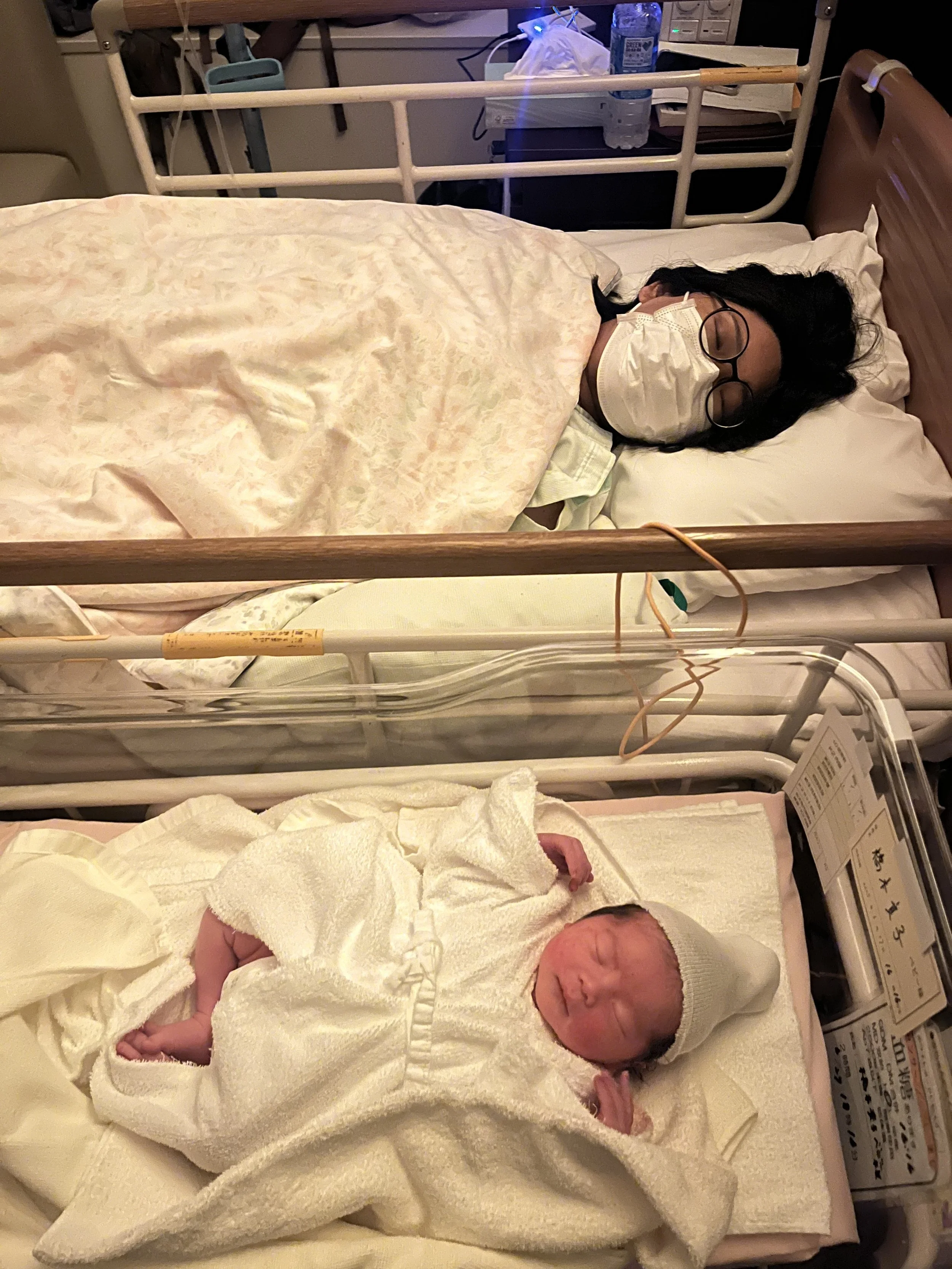
そして手術開始から20分もしないうちに明依が産声をあげて自分の目の前に現れた。
明依は最初元気に泣いていたが、妻の胸の上に置かれると安心したように静かに呼吸していた。
一安心。感動。
麻酔の影響で気持ち悪さと寒気を感じる妻に心配になったが、お医者さんとコミュニケーションして適切に処置してもらう。
6月27日 16:16 3398g。


お誕生日 / Birthday


ここから1週間の入院。
産後の妻と明依と病棟の中に私も宿泊することができた。
夜は1-3時間置きに明依の鳴き声で起きる生活を体験。
最初は戸惑ったおむつも授乳・ミルクも徐々に慣れていく。
細長い簡易ベッドでしかも不規則な睡眠で私の身体はガチガチに。
これまで朝早く起き、夜も割と規則的に寝ていた生活から一変、明依の泣くタイミングによって生活が形成されていく様を実感。
出産直後は痛みから歩くのもおぼつかなかった妻も、少しずつ回復した。

問題だった妻の血圧も安定し、予定通り1週間で退院できた。
突然の入院から陣痛を経て帝王切開での出産、そして退院までの慌ただしい日々。
お医者さん、看護師さん、助産師さんの助けがあって、ここまでやってきた。
ものすごいプロフェッショナリズムに頭が下がる。
そして母子共に健康であることに感謝しかない。

先週から、妻と明依、私の3人での新たな生活がスタート。
母、父として、全く新しい人生のスタートだ。
家は、近くに緑が多く、ゆっくり暮らせる場所として、国分寺に住むことにした。
まだ1週間ほどだが、とても気に入っている。

国分寺に引っ越した / Kokubunji neighbourhood

日本で家を借りて生活するうえで少し困ったのが、家具付き物件のチョイスがあまり無いこと。
アゼルバイジャンやモザンビーク、他にも妻が駐在してきた全ての国で、家具付きの物件の賃貸が一般的で、気軽にできた。
極端な話、スーツケースだけで移住できる環境があった。
日本にはそのオプションの選択肢が少ないと感じる。
色々探したが条件に合う物件はなかったため、今回は普通の物件を賃貸して、家具・家電を自分たちで手配した。
アゼルバイジャンから持ってきた荷物と、実家から回収した荷物、それに加え必要なものはレンタルしたり、買ったり。
”必要なもの”で、あっという間に荷物が増えて、愕然とする。

定住するならこれでいいのかもしれないけど、我々夫婦としては40代までは海外に行って色々と挑戦するという方針なので、荷物は出来る限り減らして、身軽に動き回れるようにしておきたい。
断捨離というやつが必要だ。

明依もつれて来年の前半にはどこかの異国にいるかもしれない。いないかもしれない。
色々と予測不可能な世界なので・・・。
目の前の荷物や、生活品が整ってきた家の中の様子を見て、また引っ越しすると思うとちょっとゾッとするけど、まずは明依の成長を見守りながら3人での生活を満喫していきたい。
その間、年末以降のプランを夫婦で少しずつ練ってこう。

生後2週間、家族写真 / Family photo when May became 2 weeks old

日本にいる間、できることなら自分の貢献できる分野で仕事もしたいと考えているし、何より日本にいるみなさんと出来る限り直接お会いし、キャッチアップをしたいので、みなさまよろしくお願いします。

On 27 June 2025, our first daughter was born.
Her name is May.

My wife and I have been wanting to have a baby for years now, and last autumn, my wife became pregnant for the first time through Frozen Embryo Transfer(FET).

At the time, I was in Mozambique, and my wife was in Azerbaijan.
We had previously attempted FET three times without success.
And then came the fourth attempt.
Honestly, I tried not to have too much expectation, but when we found out that my wife was pregnant last autumn, we jumped for joy.
At the same time, the journey to childbirth was long and filled with worries.
Everything was new to us, and we had no idea how our lives would change from there.

In December last year, we started living together in Baku, Azerbaijan, and were able to watch our baby grow inside my wife’s belly together.
The hospital in Baku was reliable, and the living environment was good.
My wife experienced some morning sickness but she was generally healthy.
After returning to Japan in May and until her maternity leave (in her final month of pregnancy), she continued working for her Azerbaijan position remotely.

People would tell us, that our time as a couple is coming to an end soon, of course we understood that, but we also couldn’t imagine what life would be like once the baby arrived.
We would go out to explore new places or eat out at restaurants, thinking, that our time as a couple is maybe coming to an end soon, in the back of our minds.

We found out that our baby was likely a girl, at the hospital in Baku.
The hospital in Azerbaijan was cautious about revealing the gender.
Apparently, boys are preferred in Azerbaijani society.
While we were a bit surprised by this foreign custom, my wife and I began thinking about the name for our child.

All this time, it wasn’t just my wife's belly getting bigger; various changes were happening in her body.
Luckily, her morning sickness wasn't too bad.
She would be craving for french fries suddenly, ending up running to McDonald's to get some, and also started buying sweets she never used to buy.
She became a bigger sweet tooth than me.
She also started eating larger portions.
It's unusual to see my wife eating as much as I do, but it makes sense when you consider that she's also consuming nutrients for the baby.

As her belly grew larger, she gradually found it harder to walk as far or as quickly as before.
She was also prone to swelling.
I watched with interest as my wife's various bodily functions changed on a daily basis in order to nurture the baby inside her.

In May, we returned to Tokyo from Azerbaijan with loads of luggages.
With the help of our family, we moved into a furnished small apartment near the hospital.
Until she entered her final month of pregnancy, my wife continued to work from home, cafes, and shared offices.
We also made the most of the last moments we could spend together as a couple.

In addition to the support from our family, we received a lot of encouragement from friends in Japan.
We are so grateful that we were able to gather almost everything we needed—from a baby bed to clothes, bottles, and diapers—without having to buy much.

About a week before the due date, during a regular check-up, my wife was diagnosed with pregnancy-induced hypertension.
”The best solution for this situation is delivery,” the doctor said, and just like that, my wife was admitted to the hospital that same day, the delivery scheduled to start the next day.
So suddenly, our daily life as a couple came to an end, and for the next 10 days, my wife was hospitalised.

Over the next three days, she was given medications for inducing labour, and she experienced labour pains.
However, on the third day, the cervix had not opened enough for the baby to come out, and also her blood pressure was high.
Considering the situation, the doctor decided to conduct caesarean section to assure the safety of both my wife and the baby.

The doctor delivered this message whilst my wife was experiencing labour pain.
The pain and her frustration of not being able to give birth naturally brought tears to her eyes.
I can’t express how proud and grateful I am for my wife’s commitment and effort.

The term “caesarean section” has such a strong impression and can feel scary.
I kept telling myself that this was the best option and that it was a professional surgical procedure.
While waiting in the hospital corridor for the surgery to begin, I felt a mix of emotions that were hard to describe.
My wife's mother was there, and my parents arrived later.

“Do you have any concerns(worries) entering the operating room?”
the nurse asked me.
I had actually been in an operating room twice before as a patient, but both times I was under general anaesthesia, so I had no recollection of what it was like inside.
I had never been present for another person's surgery either, so I could only say, “I don't know, but I think I'll be okay.”

Once the surgery was ready, I entered the operating room.
As the surgeons worked swiftly, I sat right next to my wife’s bed, talking with my wife.
Mixed feelings of worry, anticipation, and something in between.
Amid the busy actions inside the operating room, my wife and I remained calm and continued our conversation.
”The baby is almost coming out!”
Doctor’s call gets us a bit tense.
Finally after about 20 minutes from the start of surgery, our daughter “May” appeared before our eyes.
May was crying vigorously at first, but when placed on her mother's chest, she stopped crying and relaxed.
My wife and I were both relieved and moved.
I was worried to see my wife feeling nauseous and chilly due to the anaesthesia, but soon after communicating with the doctor, she was OK.
May was born at 16:16 on 27th of June 2025, at 3,398 grams.

From here, a week-long hospital stay began.
I was able to sleep in the same hospital room with my wife and May.
We had our first experience of waking up every 1-3 hours throughout the evening with May’s cries.
We were puzzled first, waking up, changing diapers, feeding milk and so on, but gradually got the hang of it.
While staying at the hospital, I had to sleep on a narrow, foldable bed, in irregular sleep patterns, which left my body stiff after a few days.
Before May was born, our lives has been structured around waking up early in the morning and sleeping relatively regularly at night, but this had completely transformed now, with our schedule dictated by May’s crying patterns.

My wife, who could barely walk first due to the pain from the caesarean section, gradually recovered.
Her blood pressure, which had been a concern, fortunately had stabilised, and we were able to leave the hospital as planned after one week.
From the sudden hospitalisation, going through labour, to the caesarean section, it was one of the most hectic 10 days in my life.

Thanks to the doctors, nurses, and midwives, we made it through.
Their professionalism was truly impressive.
I am deeply grateful that both mother and child are healthy.

And so just last week, our new life as a family of three—my wife, May, and I—began.
As a mother and father, this is the start of a completely new chapter.
We decided to live in Kokubunji in Tokyo, a place with plenty of greenery nearby where we can live at peace.
It's only been about a week, but we really like it here.

One of the challenges we faced renting a home in Japan is the limited selection of furnished properties.
In Azerbaijan, Mozambique, and all the other countries where my wife has been stationed, renting a furnished property was common practice and straightforward.
Technically, we could move into a house with just some suitcases.
I feel that this option is limited in Japan.
After searching extensively, we couldn’t find a furnished property that met our conditions, so we decided to rent a regular apartment and arrange furnitures and other appliances on our own.
We brought back items from Azerbaijan, retrieved items from our parents’ homes, and rented or purchased necessary items.
Soon the house was filled with “necessary items,” leaving us stunned as to how much stuff we surround ourselves to create our daily lives.

If we were to settle down permanently in Japan, this might be fine.
But our plan is to explore living overseas during our 40s, so we want to keep our belongings to a minimum.
We need to declutter.

We might be in some other country next year, with May. Or we might not.
It’s a world full of uncertainties…

Looking at all the belongings at home, the thought of moving again makes me a bit overwhelmed, but for now, we would like to enjoy our life here in Tokyo, watching May grow up.
In the meantime, we’ll gradually work out our plans after the end of this year.

While in Japan, I am willing to work in wherever field I can contribute, and above all, I want to meet everyone in Japan in person as much as possible and catch up.
Hope to see you all soon!

ギャンジャ、ミンゲチェヴィル、ギョイギョル / Ganja, Mingachevir, Göygöl by Tomoaki Hashimoto

(Scroll down to read in English)
もう日本に帰って1ヶ月以上が経過したとろころだが、思い出の記録のために、アゼルバイジャン国内での旅のことについて、書き記していこうと思う。

何ヶ所か行ったうちのひとつ、アゼルバイジャン第2の都市ギャンジャに行った時のこと。

バクーから西に300kmほど、電車で4時間弱の旅。
電車は指定席になっている。
座席にはいくつかクラスがあって、一番安いStandardで15マナト(約1300円)、Businessでその倍ぐらい。
我々はその間のStandardプラス 、1席12マナト(約1700円)をチョイス。
綺麗な車内で、向き合っている席では足を伸ばすことはできないものの、流れる景色を見ながら快適に過ごした。
水とパンが配られるが、他にも有料で食事も頼めるようだった。
我々の乗った車両は満席だった。
喋っていたり、電話したりする人もいたが特に気になるほどではなかった。

バクーの駅から電車に乗る / Riding the train from Baku station

車窓から見る景色はとても興味深かった。
首都バクーはヨーロッパのような雰囲気になっている場所が多いが、地方に行くと”古き良き”アゼルバイジャンの風景らしきものが見えてくる。
畑や羊、牛が現れ、一軒家が立ち並ぶ村が現れ、バクーの様に高級車や電気自動車は無く、ぼろぼろのトラックやクラシックなラダ(ロシア製自動車)が目につく。
西に向かうにつれて山も見えてくる。
田舎町で、アゼルバイジャンの人たちはどんな生活をしているのか、ただただ気になった。

景色を見ながら、いろいろと思いにふけり、時折眠りに落ち、やがてギャンジャに到着した。
着いた途端に感じたのはバクーとの違い。
建物の雰囲気も人々の雰囲気もまるで違う様に感じた。
素朴な感じ。
第2の都市ということで駅もそれなりに立派なのかなと想像していたが、ほとんど何もないガランとした駅。
外に出るとローターリーがあったが、車は古いロシア製のものばかり。
バクーとは違う環境にワクワクした。

ギャンジャ駅 / Ganja Station

ロシア製のクラシックカーのお出まし / The town was full of classic Russian cars

駅から街の中心部に向かっていくと、少しずつ綺麗で大きな建物が現れる。
宿泊したのは中心街にあるホテル。
徒歩圏内に大きなスーパーや公園、劇場などもあり、このあたりはバクーと似た雰囲気。
ただ観光客は少ないように感じた。バクーが観光客だらけということもあるけど。
週末だったからか、公園や広場には若い人たちが溢れていた。
座ってくっちゃべったり、ボール遊びをしたり。

街中を歩いていると、そこらじゅうに戦没者を弔いポスターが目に入る。
これはバクーにもあるが、ギャンジャではその比にならないほど沢山あった。


街の広場で若者たちが遊んでいた / Young people playing in the park


戦没者を称えるポスター/ Posters commemorating fallen soldiers

この戦没者たちは隣国アルメニアとのナゴルノカラバフ戦争で戦死した兵士たち。
弔うだけでなく、愛国心を鼓舞する意図もあるようで、必ず国旗の色が付いていて、なかなか派手なデザインになっている。
誇り、燃えるような闘志を感じるポスターだが、そこに写っている若い人が亡くなったと思うと、悲しみも感じる。

妻とネットで少しリサーチして、ひとまずギャンジャ市内にあるヘイダル・アリエフ公園に行ってみることにした。
ヘイダル・アリエフはソ連時代から独立後以降もアゼルバイジャンの政治を担ってきた元大統領。
バクーにも彼の名前を取った施設は多数ある。
今の大統領はそのアリエフ家の息子、イルハム。
この国は実質アリエフ家の独裁のような形になっている。
そしてそのアリエフの名前のついたこの公園、とにかくデカい。
もちろん樹木や芝生があるのだが、全体的にガラーンとしていて、広場がひたすらある感じ。
アトラクションも殆どない。
人々の憩いの場というより、何かを誇示するための場所といった感じ。

ヘイダル・アリエフ公園の巨大な門 / Huge entrance gate at the Heydar Aliev Park

公園の近くにあったソビエト時代の第二次世界大戦の記念碑もなんとも言えない雰囲気だった。

インパクトのある戦争記念碑 / WWII memorial monument

別の日にはギャンジャの街から少し足を伸ばしてミンゲチェヴィルやギョイギョルに行った。

ギャンジャから北にあるミンゲチェヴィルは第二次世界大戦中に捕虜として収容されていたドイツ人が都市計画に携わったといわれている。
クラ川沿いにある街で、その川が注ぐ巨大なダム湖がある。
リバーサイドで、ご当地グルメのマスを食べて、街をウロウロ。
ダム湖と川、またところどころドイツっぽい建物があり、あとはただのんびりとした街といった感じだった。
大きな街路樹とソビエト時代っぽいアパート群がなんとも言えない雰囲気を醸し出していた。
ここでも、そこらじゅうにカラバフ戦争の戦死者を讃えるポスターが見られた。


ミンゲチェヴィルのアパート群 / Apartments in Mingachevir


クラ川ではリバークルーズもできる / You can enjoy cruising the Kura River

ギョイギョルはギャンジャ南にある国立公園内にある湖。ちなみにギョル=湖。
緑豊かな観光地として知られる。
本当はそのさらに先にあるマラルギョルにも行きたかったが、その道は時期の問題もあるのか、通れなくて断念。
観光客向けの食事スポットや、湖のほとりにホテルがある以外、特に何もない場所だが、周りの山の景色や緑も美しい場所だった。

ギョイギョル / Göygöl

帰りのタクシーを待つ間、お食事処でいただいたクタブとお茶が美味しかった。
クタブは小麦粉のトルティーヤのような生地に具材を挟んで、鉄板の上で焼くアゼルバイジャンではどこでも売っているファーストフード。
おばちゃんが一つ一つ焼いている。
飾らなくて、これでいいんだよ、と言った感じで、出来立てほかほかをいただける幸せ。具材は菜葉・ハーブが入ったもの、ラムの挽肉が入ったもの、の定番2種を。
お店によっては他にもチーズやカボチャが入ったバラエティもある。


アゼルバイジャンの定番、グタブと紅茶 / Qutab and tea, a staple in Azerbaijan


帰りのタクシーは図らずもラダだった。
ラダに乗れる!テンションが上がった。
乗りごごちはなんとも言えないが、ラダのエンジン音を聞きながら、美しい山々を眺め、アゼルバイジャンの雰囲気を満喫できた。

念願のラダ乗車 / Took a “Lada” ride back to town

やっぱり地方にいくのはいい。
バクーとは異なるアゼルバイジャンの素朴な一面に触れることができた。

It has already been a month since I returned to Japan, but I would like to write about the trips my wife and I took while in Azerbaijan, before I forget about it.

One of the several places I visited was Ganja, the second largest city in Azerbaijan.

Ganja is around 300km west of Baku and takes approx. 4 hours by train.
The train has several seat classes: the cheapest “Standard Class” costs 15 manat (about 9USD), and “Business Class” is about twice as that.
We chose the “Standard Plus”, which is 12 manat (about 12USD) per seat.
The train was clean, and although we could not stretch out our legs in the seats facing against other passengers, we sat comfortably while watching the scenery flow by.
Water and bread were offered to all the passengers, but you can also purchase other meals if you wish.
The car we boarded was fully seated.
People were chatting and sometimes making phone calls, but didn’t bother us much.

The scenery from the train window was very interesting.
Baku, the capital city, has a modern European atmosphere in many places, but as we traveled into the countryside, we began to see the "good old" Azerbaijani sceneries.
Fields, sheep, and cows appear, along with villages/towns with individual houses.
The cars are mostly old Lada’s (Russian cars) and other beaten up trucks.
You also start to see the mountains.
I just wondered what kind of life Azerbaijani people are living in these small villages and towns.

As I gazed the scenery, pondering things, occasionally falling asleep, we eventually arrived in Ganja Station.
As soon as I stepped out of the train, I felt the difference from Baku.
The atmosphere of the buildings and the people seemed different.
The atmosphere was a bit rustic.
Because it is the second largest city in the country, I imagined the train station would be quite big and fancy, but it was a simple building with almost nothing inside other than a ticket counter and a waiting area.
I went outside to the front square of the station, and saw many of the classic Russian cars.
I was excited to see an environment that is much different from Baku.

As you walk from the station toward the center of town, little by little, large, lavish buildings start to appear.
We stayed at a hotel close to the center of the city.
There was a large supermarket, a park, and a theater within walking distance, and the atmosphere in this area was similar to that of Baku.
It seemed that there were not much tourists in Ganja, compared to Baku where it is full of tourists most of the time.
Perhaps because it was a weekend, the parks and squares were full of young people. They were sitting, chatting, and playing ball.

As I walked around the city, I saw posters everywhere commemorating the fallen soldiers from the war.
There were many of them in Baku as well, but in Ganja there were far more than that.

These soldiers displayed in the posters are the ones who died in the Nagorno-Karabakh War with neighboring Armenia.
The poster design is quite flamboyant, with the colors of the national flag always attached, as if the intention is not only to mourn but also to inspire patriotism.
The posters convey a sense of pride, a burning fighting spirit.
At the same time, it made me feel sad facing the reality that such young men, and so many of them, had lost their lives in battle.

My wife and I did a little research on the Internet and decided to visit the Heydar Aliyev Park in Ganja.
Heydar Aliyev was a former president of Azerbaijan who was in charge of Azerbaijan's politics during the Soviet era and after independence.
There are many places and institutions named after him in Baku.
The current president is Ilham, the son of the Heydar Aliyev.
The country is, practically, ruled and run by the Aliyev family.
And this park, named after Aliyev, is immense.
Of course, there are trees and lawns, but the whole place is mostly big open space. There are almost no attractions.
It is more like a place displaying power than a place for people to relax and enjoy nature.

The Soviet-era World War II memorial near the park was also interesting.

On another day, we took small trips from Ganja to nearby Mingachevir and Göygöl.

Mingachevir, a city located north of Ganja, is said to have been built by Germans who were captured as war prisoners during World War II.
The city is situated along the Kura River and has a huge dam lake into which the river flows into.
We ate trout, a local delicacy, at the riverside and wandered around the city.
Other than the lake, the river, and a few German-like buildings, it is an ordinary and relaxed town.
The large trees along the streets and the Soviet-era apartment buildings created an indescribable atmosphere.
Posters commemorating the soldiers of the war were also present here.

Göygöl is located in a national park south of Ganja. Göl means lake.
It is a well known tourist destination where you can enjoy the nature.
We really wanted to go to Maralgöl, which is further down south, but the road was closed probably due to seasonal reasons, so we gave up.
Other than a few restaurants/cafes and a hotel on the lakeside, there was nothing much, but the surrounding mountain scenery and greenery was beautiful.

While waiting for the taxi, we had qutab and tea at the restaurant, which were delicious.
Qutab is a fast food sold everywhere in Azerbaijan, made of flour tortilla-like dough with ingredients sandwiched between and grilled on a griddle.
It is usually cooked one by one by a lady.
Its very simple, fresh, just the way it should be!
We enjoyed the two “basic” qutab which are the one with greens and herbs, and the one with minced lamb.
Some restaurants also have other qutab varieties such as cheese and pumpkin.

Unexpectedly, the taxi arrived was a Lada.
I can finally ride an actual Lada! I was so excited.
It wasn’t the most comfortable ride, but I enjoyed the Azerbaijani atmosphere, listening to the sound of the Lada's engine and looking out at the beautiful mountains.

As always, we enjoyed the trip outside of our normal life.
We experienced the simple, “good old” side of Azerbaijan, which was very different from our everyday life in Baku.