(Scroll down to read in English)
先日、画像ファイルのフォルダを整理していたときのこと。
2021年10月にモザンビークのベイラとゴロンゴーサに行ったときの写真が出てきた。
編集もすっかり忘れていてそのままだった。
当時のことを思い出しながら、編集作業に取り掛かった。
過去のブログ投稿を見ても、このことについては何も書いてない。
面白い旅行だったのに。
せっかく面白い場所に行ったので、4年前の記憶を辿りながら、つらつらと書いてみることにした。
ゴロンゴーサの景色 / A scenery at Gorongosa
ゴロンゴーサについて最初に知ったのは、モザンビークのスーパーで売っているコーヒーと蜂蜜だった。
その商品を生産しているのはゴロンゴーサ国立公園。
国立公園として地域のコミュニティ活性化と自然環境保全の一環で、こう言った商品を製造し、モザンビーク国内で販売している。
コーヒーも蜂蜜もちゃんとしたもので、私もモザンビーク在住中に何度か購入した。
この投稿を書くにあたって、少しネットを調べてみたが、
この国立公園を管理運営しているのはアメリカ人の実業家で、2008年にモザンビーク政府と契約を結んでから、公園の再生を行ってきた。
再生?
モザンビークは1977年から1992年まで内戦があった。
当時政権を握っていた(そして今も握っている)FRELIMOと、反対勢力RENAMOによる内戦。
ゴロンゴーサやその近くにある大都市ベイラはRENAMOの拠点であり、そのため内戦中に多くのインフラが破壊された。
インフラだけでなく、生態系も破壊された。
ゴロンゴーサ山をはじめ、素晴らしい生態系をもつこのエリアを、地域の人々と協力して再生する。
そんなプロジェクトの末に成り立っている国立公園に私が妻と行ったのは、2021年10月。
当時モザンビークにいた知人たちからは、ゴロンゴーサの素晴らしさを聞いていたので、モザンビーク在住中に絶対行こうと決めていた目的地。
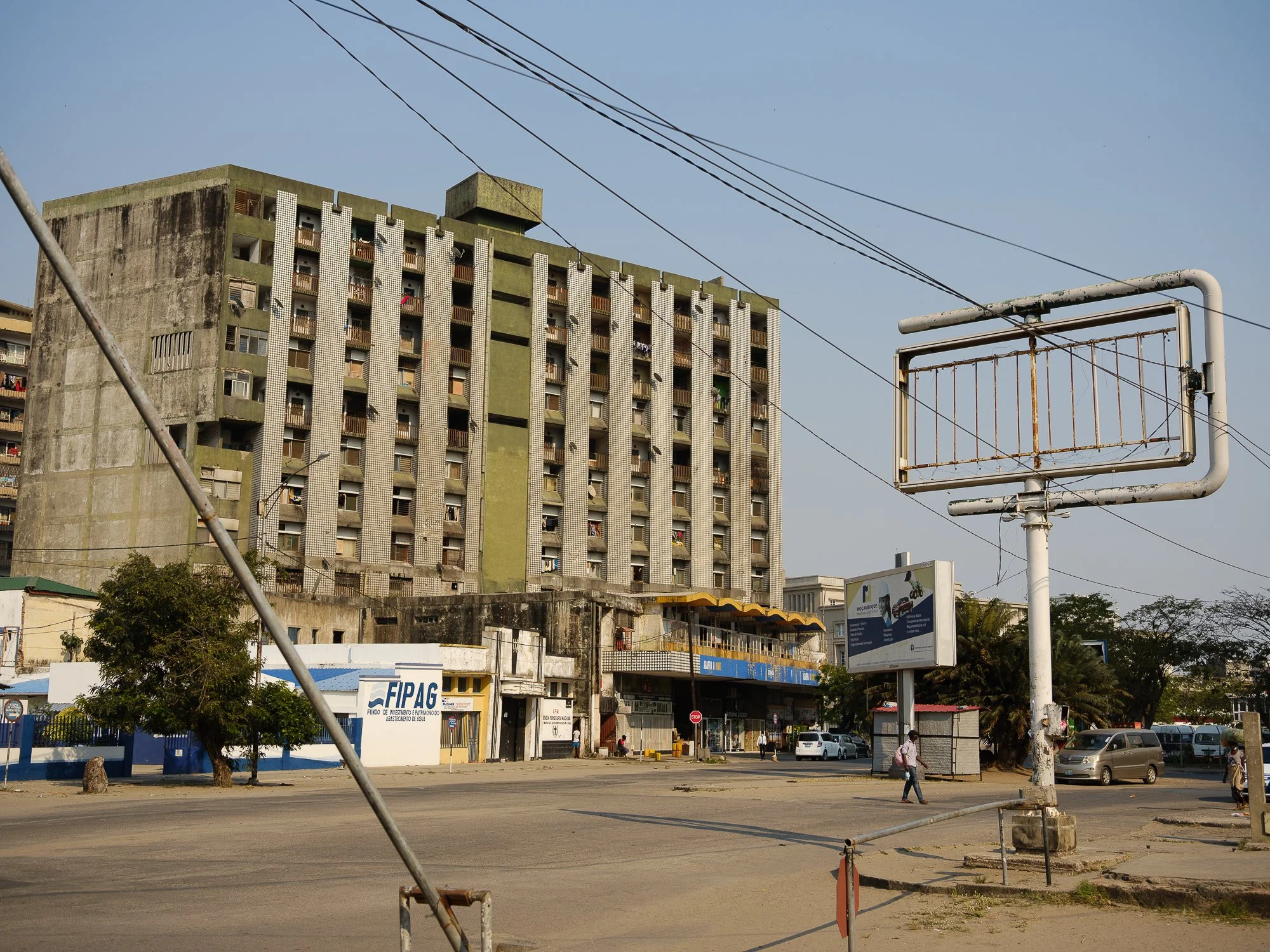
ベイラの街 / City of Beira
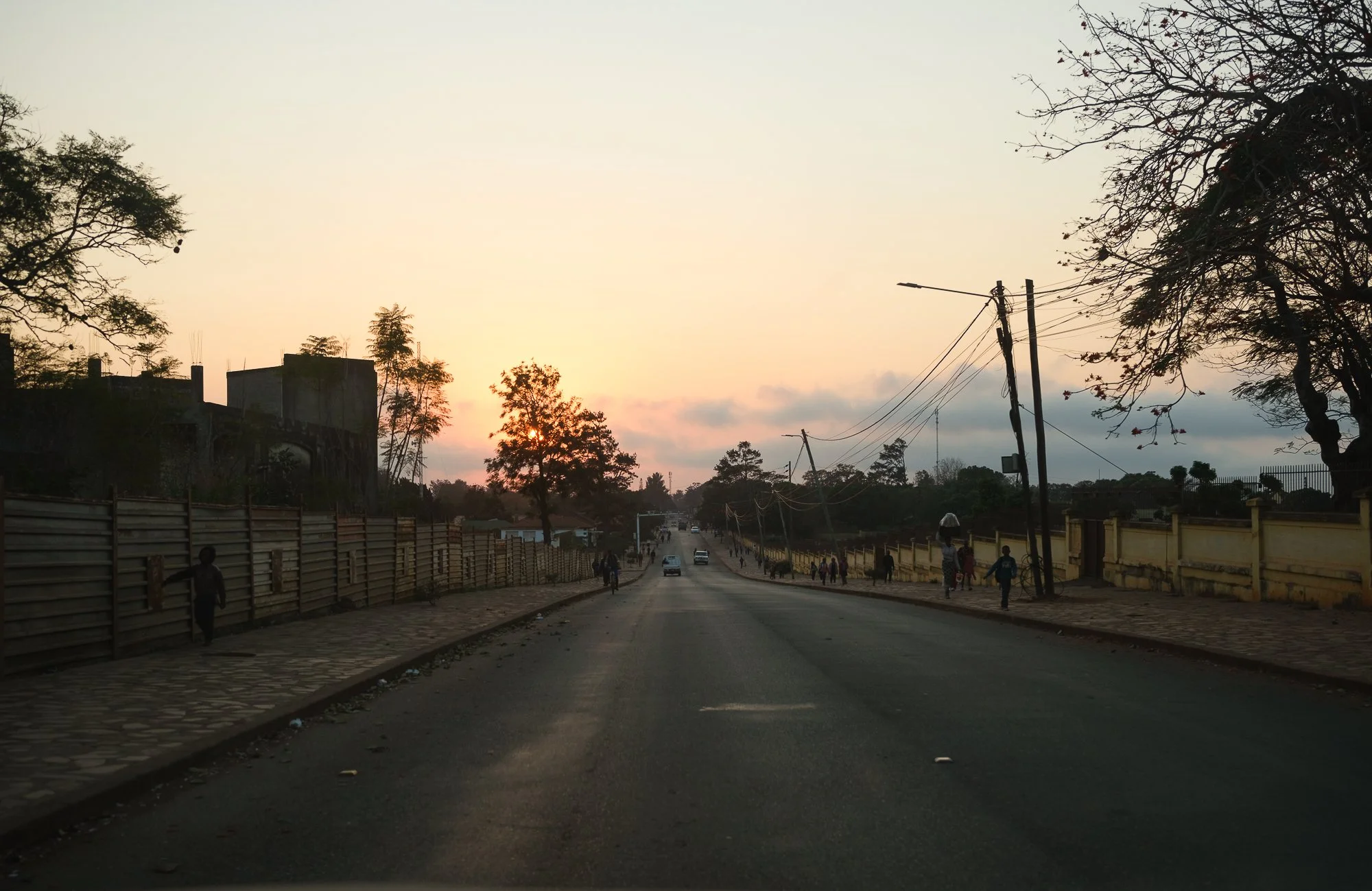
飛行機でマプトからベイラまで行き、そこからは紹介してもらったドライバーさんに頼んで車で移動。
モザンビーク第3の都市と言われ、近隣国につながる鉄道、道路、港がある、貿易の要衝。
ベイラの町からゴロンゴーサまでは車で3時間ほど。
町をでる最初の国道沿い、コンテナや大量の木材などが積み上がったヤードがたくさんあった。中国語も目立っていた印象。
そんな都市部を離れ、徐々に田舎に入っていった。
ゴロンゴーサに近づくにつれ、道路状況が著しく悪くなった。
ドライバーによると、内戦の影響だという。
野党RENAMOの拠点であることから、壊されたインフラを与党Frelimoは直そうとはしない。
穴だらけでボコボコの道を、ゆーっくりとグラグラ揺れながら移動した。
我々が乗っていた車はいかついピックアップトラックだったが、普通のセダンでは走れなさそうなぐらい、ひどい道だった。
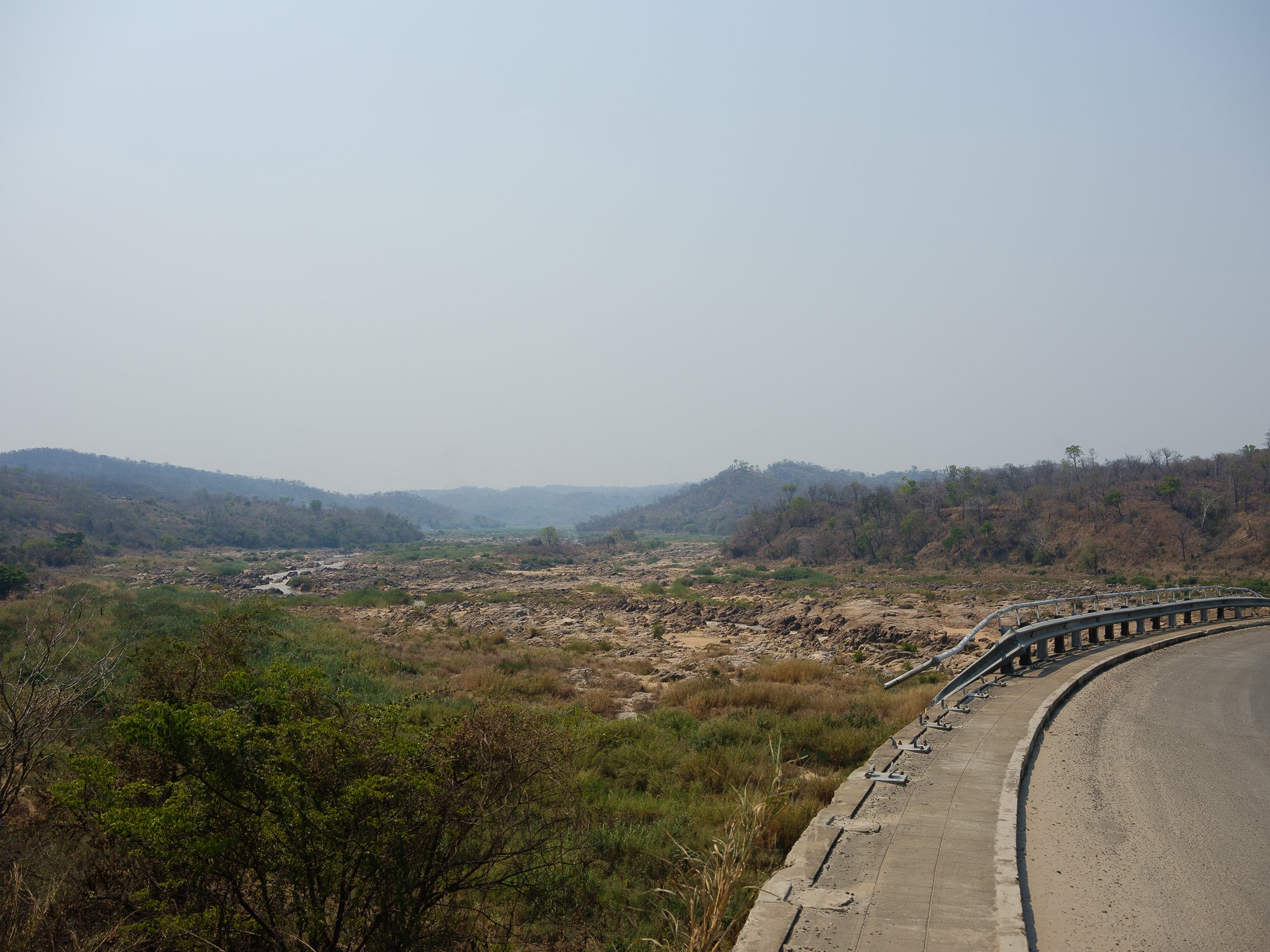
ゴロンゴーサへの道中 / On the road to Gorongosa
そんな場所も越え、無事ゴロンゴーサ国立公園に到着。
宿泊場所は常設テントを予約していた。
テント以外にも、ちゃんと壁のあるお部屋もあるのだが、当時はコロナの影響でビジネスが縮小していたためか、テント泊のオプションしか提供されていなかった。
レストランも閉まっていた。
なので食料をべイラのスーパーでいろいろ調達して、冷蔵が必要なものは事務所に依頼して冷蔵庫に入れてもらった。
調理場はテントの横にあるバーベキュー台。
ということでほぼキャンプな2泊。
ワクワク。
ゴロンゴーサ国立公園ではガイド同行によるサファリがメインアクティビティ。
自分もこれまでタンザニア、南アフリカ、エスワティニのサファリに行ったことがあるが、ここゴロンゴーサは一味違うと聞いていた。
何が違うかと言うと、動物が人間を恐れてすぐ逃げてしまうので、サファリ中も見付けづらいと言うのだ。
なぜか。
先述した紛争の時に、RENAMO部隊は、土地で自給自足する生活を強いられ、食料を得るために野生動物を狩ったと言われている。
生態系が大打撃を受けたことも、動物たちが人間を恐れることになったことも、頷ける。
実際のサファリは、ちょっと雑な表現だが、確かにワイルドな感じがした。
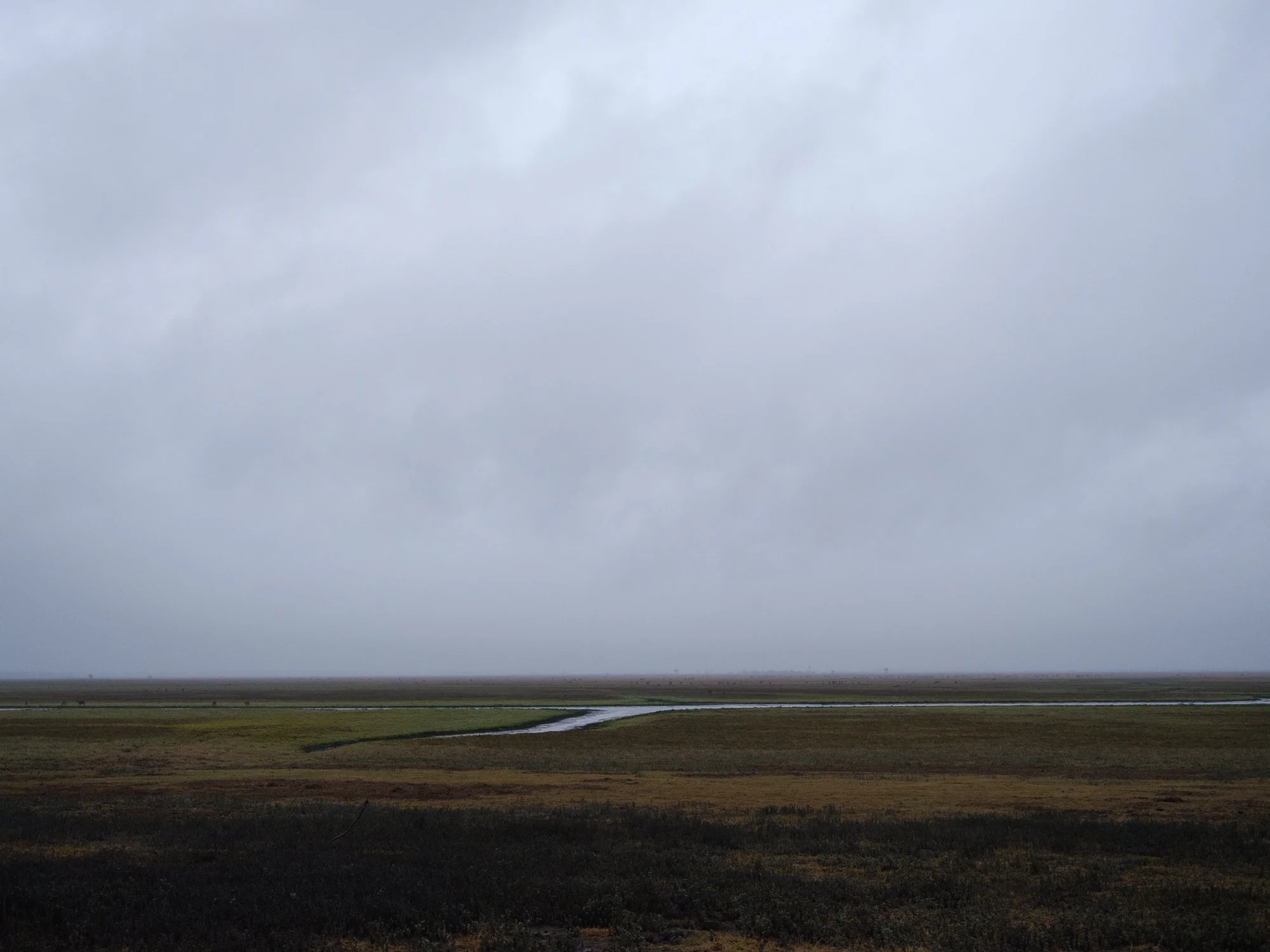
うっそうとしていて、草原の背が高く、手付かずの自然という感じ。
確かに最初、動物があまり見当たらなかった。
それでも、景観だけで圧倒された。
果てしなく広がる霧のかかった草原、バオバブの巨木、夕焼けが反射する川・・・。
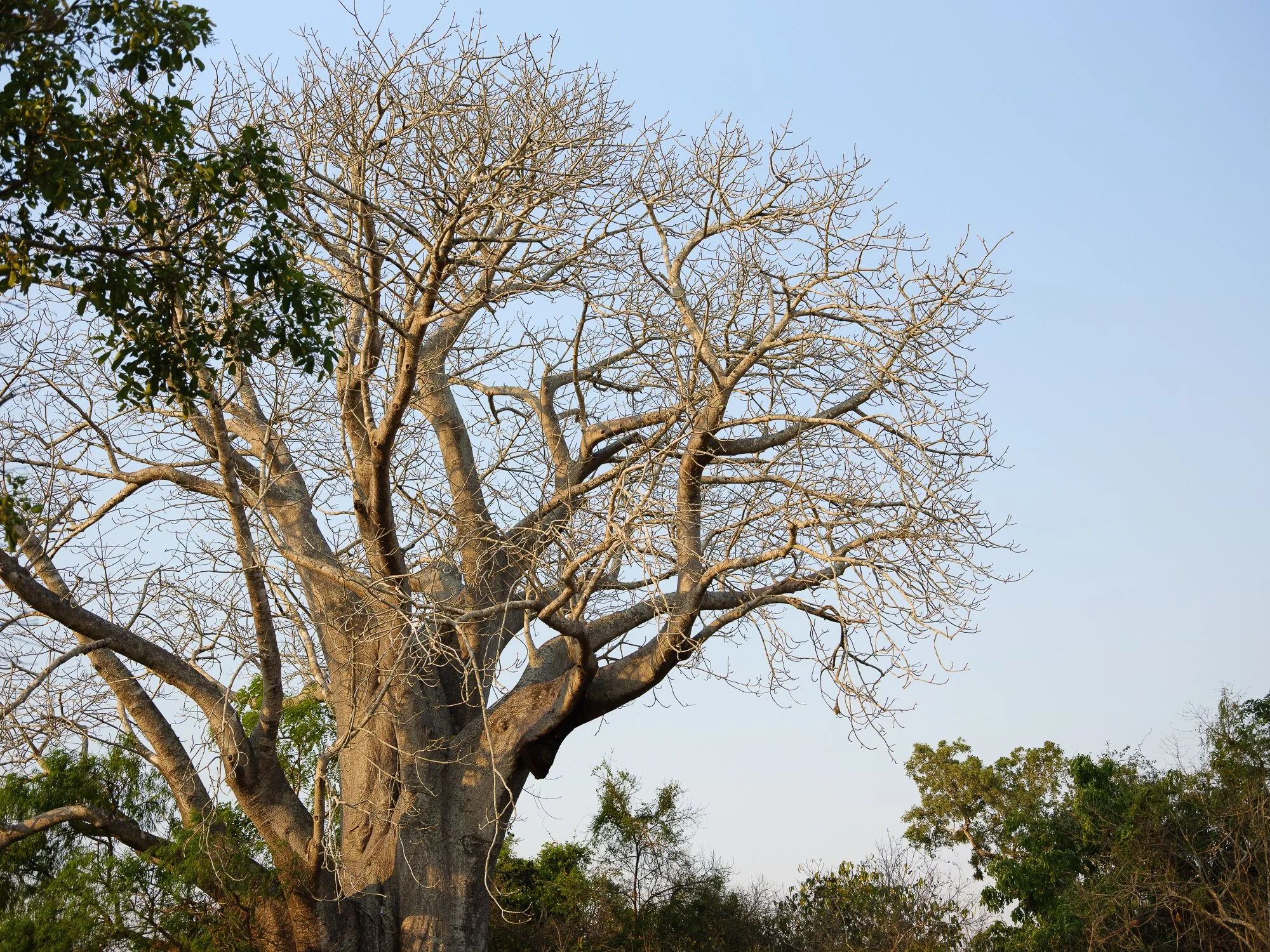
美しいバオバブの木 / A beautiful baobab tree
そして幸いにも動物たちにも出会えた。
一番多くみたウォーターバックは大型の鹿だが、その肉は臭いらしく、ライオンでも食べないそうだ。
幸いにもライオンの家族にも会えた。
オスはいなかったが、メスと子供たちがくつろいでいる場に居合わせることができた。
他のサファリとも比べて、個人的な印象としては、なにやら幻想的なサファリだった。
サファリの終盤、川沿いに車を止めて、紫色・ピンク色に染まる夕焼けの空を見ながらビールで乾杯。
モザンビークのうまいビール、Manica。
最高のサファリの締めくくり。
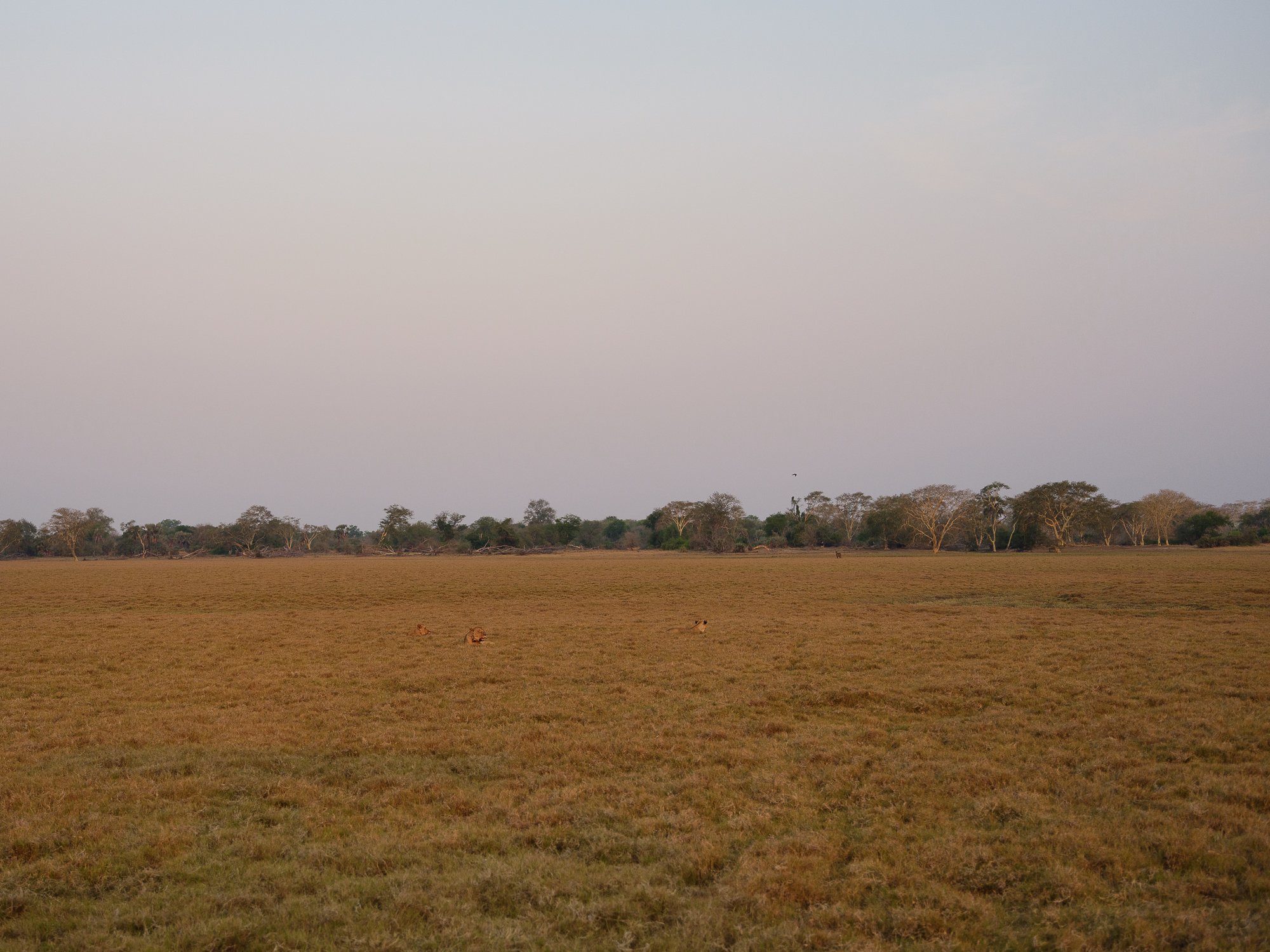
ライオンファミリーが見えますか? / Can you spot the lions?
サファリが終わり、宿泊するテントに戻って、火を起こして、BBQごはんタイム。
肉や野菜を焼いてシンプルに味付けして食べた。もちろんキッコーマン持参。
お供は今回初めて買ったモザンビークのビールImpala。
キャッサバやトウモロコを使った、珍しいビール。
味もけっこう美味い。
夜は結構冷えたが、火に当たりながら、ヘッドライトしか無い状態で、ワイルドにBBQを楽しんだ。
その夜、他に宿泊のお客さんはいなかった。
テントの近くでオスのバブーン(ヒヒ)が喧嘩していた。
近くに居た従業員が「あいつらよく喧嘩してるんだ」と言う。
バブーンは賢く、また雑食で人間の食べ物にも興味を示す。
ちょっと嫌な予感がした。
夜。
テントの中に設置された簡易的なベッドで寝ていると、夜中、何やら外から音が聞こえる。
突然、テントの入り口のチャックがズズズっと音を立てる。
ん。。?
寝ぼけながら体を持ち上げると、暗がりの中でちらっと、何やら細い腕がテントの中に突っ込まれてきた。
なんだ?!自分はまだ寝ぼけている。
その腕はせわしなくテントの中を探っている。ガサガサ、パタパタ。
よく見ると毛深い腕、細長いグレーの指。
ん…。
…。
ばぶーーん!
あ!っと言う私の大きな声を聞いてバブーンはバタバタと逃げていった。
一瞬の出来事だったけど、バブーンの毛深い腕とグレーの手がパタパタとテントの中で振り回されている光景はまだぼんやり覚えてる。
テントの中にある食料の匂いを嗅ぎつけたのか、盗みに来たようだ。
テントのチャックには錠前をかけれる仕組みだったが、付けてなかった。
早速錠前を付けて再度就寝。
少し遠くでまだバブーンたちの声が聞こえた。
2日目はサファリではなく、ゴロンゴーサ山とコーヒー農園ツアーに行った。
山の中を少し散策し、山の中にある滝を見て、ガイドがご飯を外で作ってくれて食べて、目玉であったコーヒー農園見学へ。
ゴロンゴーサのコーヒー事業はコミュニティ活性化の一環としてやっていて、地元の農家に無償でコーヒーの苗木を提供し、それを育てた結果できたコーヒー豆の収入を国立公園と地域コミュニティに還元するというもの。
またコーヒーの苗と一緒に在来樹木を一緒に植えるようにして、熱帯雨林の再生にも一役買っている。
コーヒーは(品種にもよるが)日陰でよく育つため、他の樹木を近くに植えて一緒に成長していくことが望ましいのだ。
収入を得るために農家の人も一生懸命コーヒーを育てる。
よくできたスキーム。
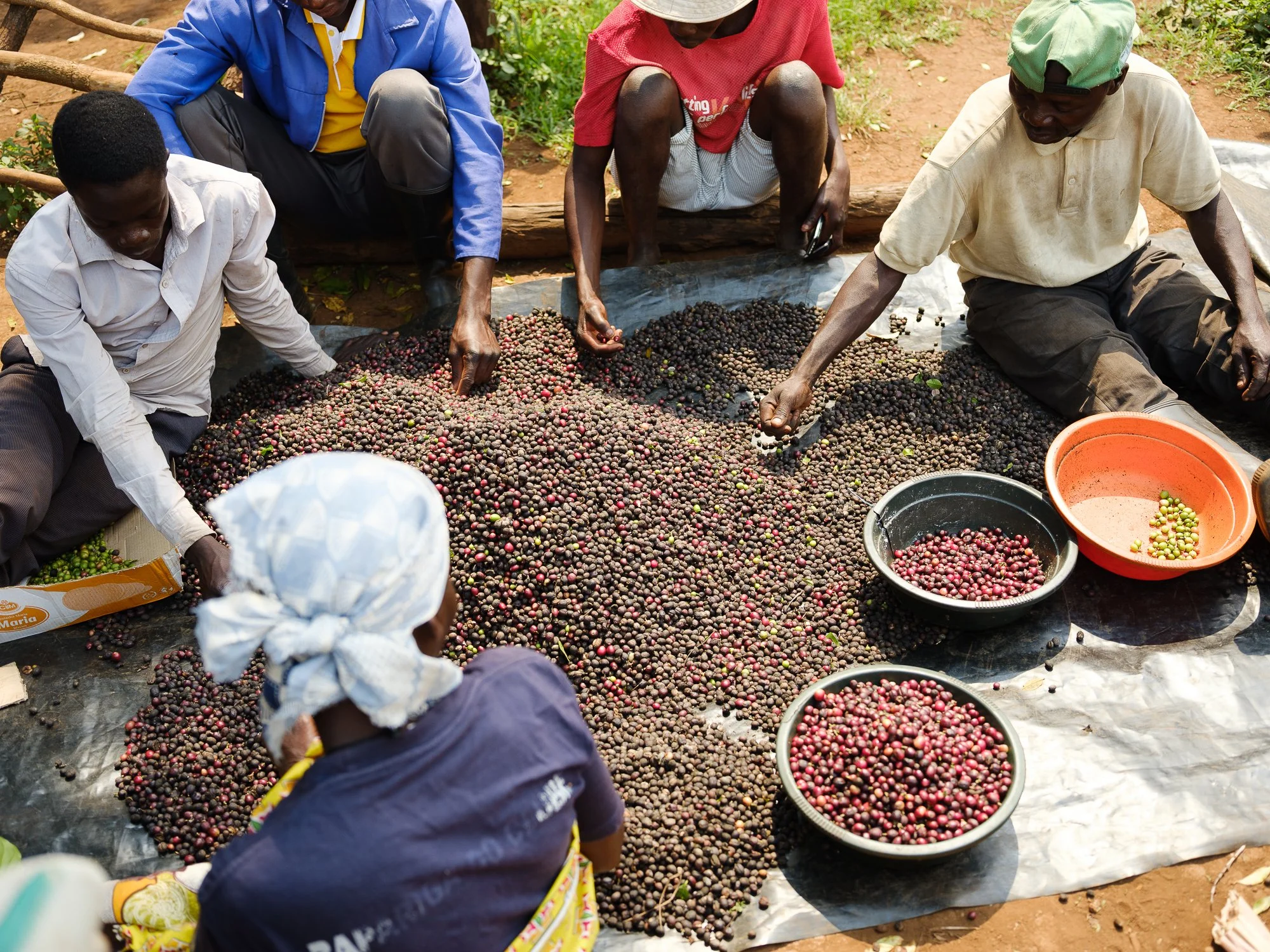
ゴロンゴーサ山のコーヒー農家さんたち / Coffee farmers at Gorongosa Mountain
この時私は人生で初めて、完熟したコーヒーチェリーを生で食べて、こんなに甘いのか!と感動したのを覚えている。
ゴロンゴーサ山の中、川が流れ、鳥たちの声が響き渡る森林の木陰、そのゆったりとした空気の中で育てられるコーヒーの苗を見て、なんだかとてもワクワクしたのを覚えている。
とても好きな雰囲気だった。
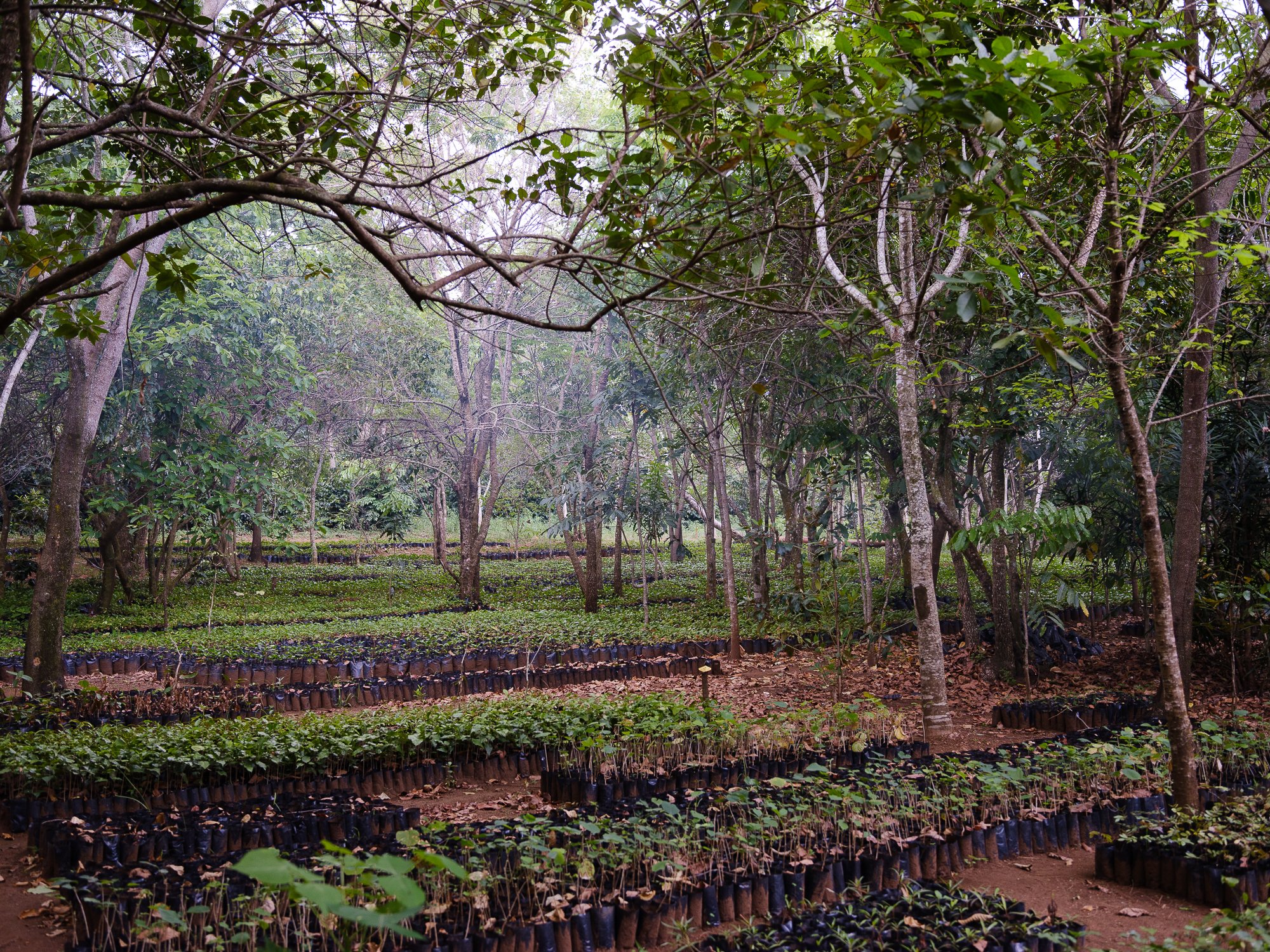
コーヒー農園の苗床 / Nursery inside the coffee farm
そんなこんなで、ベイラとゴロンゴーサの旅は思い出深いものとなった。
改めて、今回編集した写真は、この投稿に貼っている写真に加え、他にもあるので、気になる方はぜひ、下の写真アルバムをご覧ください。
The other day, whilst organising my image files, I came across photos from my trip to Beira and Gorongosa in Mozambique back in October 2021.
I'd completely forgotten about editing them and they'd just been sitting there.
Recalling those times, I set about editing them.
Looking back at my old blog posts, I hadn't written anything about this trip.
It was such an interesting trip.
Therefore, I decided to write about it, unleashing my memories from four years ago.
My first encounter with Gorongosa was through the coffee and honey sold in Mozambican supermarkets.
These products are produced by Gorongosa National Park.
As part of the national park's efforts to revitalise local communities and conserve the natural environment, they manufacture such goods and sell them domestically in Mozambique.
Both the coffee and honey were nice and I bought them several times while living in Mozambique.
While preparing this post, I did a bit of online research.
The national park is managed and operated by an American entrepreneur.
Since signing a contract with the Mozambican government in 2008, he, along with the government, have been working to restore the local ecosystem.
Restoration?
Mozambique was embroiled in civil war from 1977 to 1992.
It was a fight between the ruling front FRELIMO, who held power then (and still do), and the opposition force RENAMO.
Gorongosa and city of Beira nearby were RENAMO strongholds, leading to extensive infrastructure destruction during the conflict.
Not only infrastructures, but ecosystems were also destroyed.
The Gorongosa project aims to regenerate the area, including Mount Gorongosa, with its remarkable ecosystems, in collaboration with local communities.
My wife and I visited the national park in October 2021.
Having heard about the rumours of Gorongosa's magnificence from our friends in Mozambique, it was a destination high on our bucket list.
We flew from Maputo to Beira, then hired a driver for the journey to Gorongosa.
Beira is Mozambique's third-largest city, a key trading hub with railways, roads, and a seaport connecting to neighbouring countries.
The drive from Beira to Gorongosa was about 3 hours.
Along the first national road out of town, there were numerous yards piled high with containers and vast quantities of timber.
Leaving the urban area behind, we gradually entered the countryside.
As we approached Gorongosa, the road conditions deteriorated significantly.
According to the driver, this was due to the civil war.
As it is a stronghold of the opposition party RENAMO, the ruling party FRELIMO shows no inclination to repair the damaged infrastructure.
We moved very slowly, jolting and swaying along the potholed, bumpy road.
We were riding a sturdy pickup truck, but a normal sedan would likely be unable to go through undamaged.
After going through such hurdles, we arrived safely at Gorongosa National Park.
We had booked a fixed tent accommodation for our stay overnight.
While rooms with proper walls were also available, due to reduced business during the covid pandemic, only the tent option was available.
The restaurant was closed too.
So we stocked up on groceries at Beira's supermarket, and asked the park office to store some items in their fridge.
The cooking area was a barbecue stand next to the tents.
Thus, it was essentially two nights of camping, yay!
At Gorongosa National Park, guided safaris are the main activity.
I'd previously been on safaris in Tanzania, South Africa, and Eswatini, but I'd heard Gorongosa was different.
What’s the difference?
Animals here are said to fear humans and flee immediately, making them hard to spot during safaris.
Why?
It's said that during the aforementioned conflict, RENAMO forces were forced to live off the land, hunting wild animals for food.
It's easy to imagine how this devastated the ecosystem and caused the animals to fear humans.
The actual safari felt, to put it bluntly, rather wild.
Dense, tall grasslands, a feeling of untouched wilderness.
Admittedly, we didn't spot many animals initially.
Even so, the landscape alone was overwhelmingly beautiful.
Endless mist-shrouded plains, big baobab trees, rivers reflecting the sunset...
And fortunately, we did encounter wildlife.
The most common sighting was waterbucks – large antelope which meat is apparently so stinky that even lions won't eat it.
Fortunately, we also encountered a lion family.
Though no males were present, we spotted a mom and her and cubs resting in the grassland.
Compared to other safaris, personally I felt something magical about the whole experience.
Towards the end of the safari, we stopped the vehicle by the riverbank and toasted with beer while watching the sunset sky turn purple and pink.
With my favourite beer, Manica, it was a perfect finale to a superb safari.
After the safari ended, we returned to our accommodation tent, lit the fire, and had our dinner BBQ.
We grilled meat and vegetables, seasoned them very simply.
Of course we didn’t forget Kikkoman soy sauce.
Our accompaniment was Mozambique's Impala beer, bought for the first time.
Its rather a rare beer made from cassava and maize.
The taste was actually nice.
The night grew quite chilly, but we enjoyed the BBQ outside using our headlamps.
That night, there were no other guests staying.
Near the tent, male baboons were fighting and shouting at each other.
A nearby staff member remarked, “yeah these guys are always like that.”
Baboons are smart and omnivorous, and they show interest to what humans eat.
I had a slightly uneasy feeling.
After the BBQ, we cleaned up and went to bed inside the tent.
During our sleep in the midnight, we heard some sound outside of our tent.
Then suddenly, the tent's zipper went “zzzippppp!”
Hmm...?
Still half-asleep, I lifted my body. In the darkness, I glimpsed something – a thin arm thrusting into the tent.
What the…?! I was still half-asleep.
That arm was frantically searching inside the tent. Rustling, flapping.
Looking closer, a hairy arm, long, slender grey fingers.
Hmm...
...
Its a baboon!
Hearing my loud voice, the baboon ran away.
It was a very short instant, but I still vaguely remember the sight of the baboon's hairy arms and grey hands flapping about inside the tent.
They knew that we had some food inside and came to steal them.
Although there was a lock for the tent zip, which we didn’t put when we went to sleep.
We immediately locked the tent and went back to sleep.
At a distance we could still hear baboons' cries.
Day 2 wasn't a safari; we went on a tour to Mount Gorongosa and the coffee plantation there.
We took a short walk through the mountains, saw a waterfall, had lunch cooked outdoors by our guide, and then visited the coffee plantation, which was the main attraction.
Gorongosa's coffee project is part of a broader effort to revitalise the local community. They provide coffee seedlings free of charge to local farmers.
The sales from the resulting coffee beans are used for the restoration of the ecosystems and also returned to the local community.
Along with coffee, they provide native tree seedlings to be planted alongside the coffee seedlings, contributing to the regeneration of the rainforest.
Coffee, depending on the variety, likes to grow in shade, so it's desirable to plant other trees nearby to grow alongside it.
Farmers would work hard to produce good quality coffee so that they could earn good income.
It is a well-designed scheme.
I still remember the very moment I ate a fully ripe coffee cherry for the first time in my life during this tour, and was really amazed how sweet it was!
Amidst the forests of Mount Gorongosa, where rivers flow and birdsong echoes, I recall feeling incredibly excited seeing the coffee seedlings nurtured in the shade.
It was such a beautiful atmosphere.
All in all, this journey to Beira and Gorongosa was full of wonder and memories.
If you're interested, please do take a look at the full photo album pasted above.